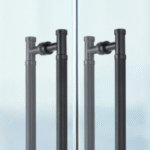
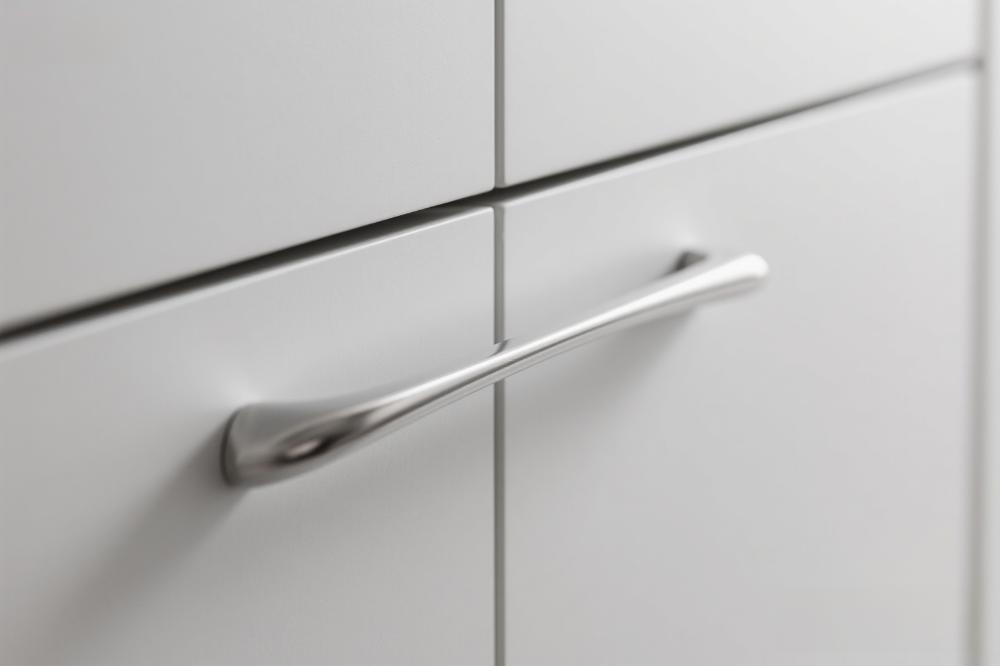
Why no carved handles for kitchen cabinets?
Carved kitchen handles look beautiful at first, but hidden grooves quickly trap oil and food. Cleaning becomes tiring, with hygiene problems that build up over time.
Carved handles should not be used on kitchen cabinets. Their complex patterns trap grease and food residue. This creates cleaning challenges and increases risks of bacteria growth, making kitchen cabinets less safe and harder to maintain.
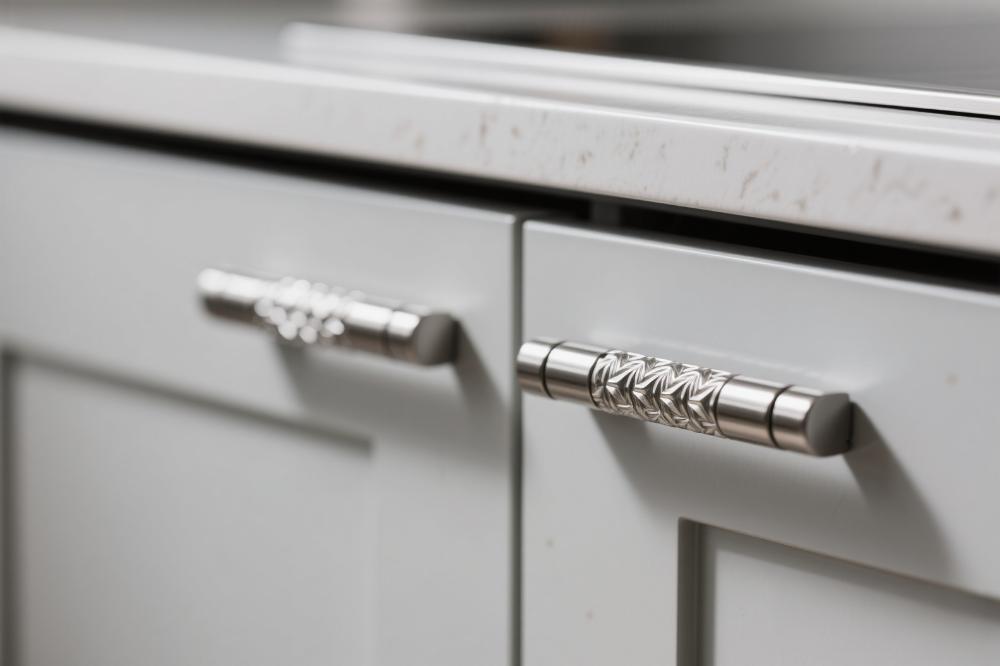
Kitchens need efficient cleaning and high hygiene standards. Carved handles, with grooves and patterns, turn into grease magnets. Oil and residue settle in places that are nearly impossible to wipe clean. Over time, bacteria can breed below the surface, contributing to food safety problems. I always recommend simple, smooth handles for kitchen cabinets to help keep things fresh and safe.
What is the rule for cabinet handles?
Cabinet handle rules are easy to follow but make a big difference. Simple rules help create a functional space that is easy to maintain.
Choose handles with smooth surfaces and straightforward shapes for kitchen cabinets. They should be easy to grip, easy to clean, and matched to cabinet size. Avoid complex, carved, or textured handles—especially in cooking areas.
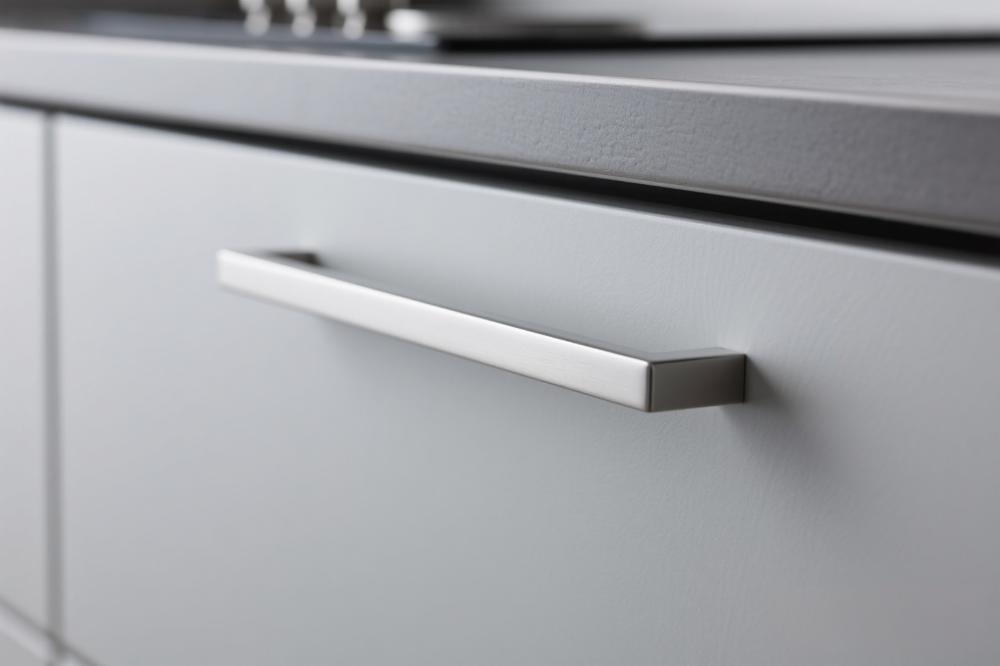
When clients ask me, I keep it direct. Handles should fill their role without becoming a burden. In kitchens, this means no deep grooves, no double-layered patterns, and no crevices for oil to build up. Whether installing new cabinets or upgrading hardware, the right handle keeps cleaning manageable and avoids problems. I use these basic guidelines in my daily work:
| Rule | Reason | Example |
|---|---|---|
| Smooth surface | Easy to clean | Metal bar handle |
| No tight grooves | Traps grease | Avoid carving |
| One-piece structure | No food residue holes | Straight handle |
| Correct length | Fits hand comfortably | 128mm+ spacing |
My experience tells me that simple hardware saves time, improves kitchen longevity, and keeps users healthy.
Do cabinets look better with or without handles?
The look of a kitchen matters, but it is not just about style—it is also about function. Handles are both decorative and practical.
Kitchen cabinets usually look neater and more practical with well-chosen handles. Handles give a clear walking line, make doors easy to open, and help create a clean, modern look when chosen sensibly.
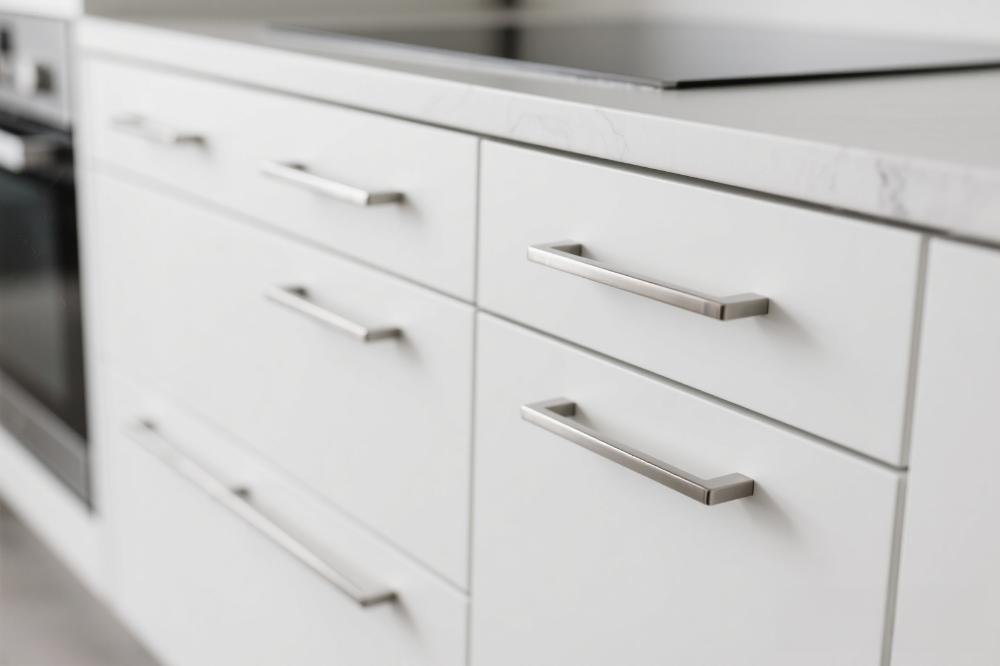
In my design work, I have seen both handleless cabinets (push-to-open, groove pulls) and those with classic pulls. Handleless cabinets can look sleek, but fingerprints, sticky doors, and extra force quickly become annoying—especially when cooking. Handles provide grip, make heavy doors simple to open, and prevent damage to the panel edges over time. I always prefer a straightforward handle, especially one with a smooth finish, because it gives better function and a refined appearance. Cabinets look more ‘finished’ and welcoming with the right hardware.
What is the current trend for kitchen hardware?
Modern kitchen design changes quickly. Trends now often favor clean lines and easy cleaning above extra decoration.
Today’s kitchen hardware is trending toward simple, streamlined designs with smooth surfaces and minimal details. Matte finishes and straight bars are common, pushing out carved and ornate handles for functional, stylish alternatives.
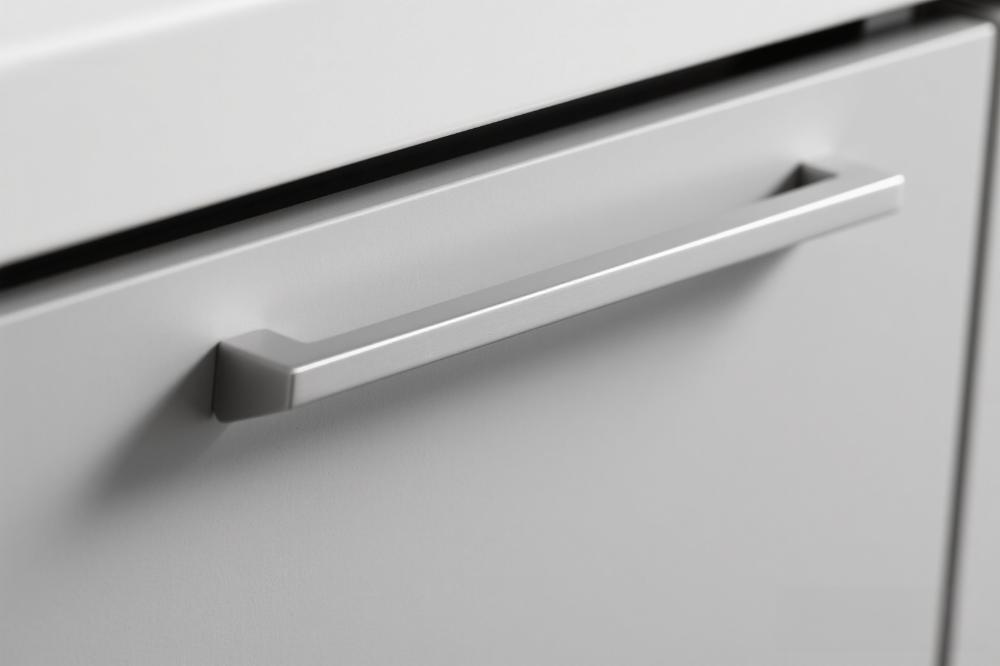
If I look at new kitchen showrooms or follow recent online design posts, smooth bar handles, arc pulls, and matte surfaces appear everywhere. Both designers and homeowners prefer hardware that wipes clean with a cloth—no more scrubbing inside carved scrolls. The goal is a kitchen that is easy to keep sanitary, looks modern, and suits every family’s lifestyle. Here is a rundown of what is popular:
| Hardware Type | Finish | Trend strength |
|---|---|---|
| Straight bar handle | Matte, brushed | High |
| Simple arc pull | Satin chrome | High |
| Flat finger pull | Black matte | Medium |
| Ornate carved handle | Gloss, antique | Low |
Simple design wins in modern kitchens. Ornate hardware is reserved for decorative cabinets—not used where food or heavy cooking happens every day.
Is it better to have knobs or handles on kitchen cabinets?
Choosing between knobs and handles depends on usage and cleaning needs, especially in kitchens.
Handles are better for kitchen cabinets. They provide a larger grip, are easier to clean, and reduce finger strain. Knobs may suit small drawers, but handles excel in kitchens where hygiene and ease-of-use are needed.
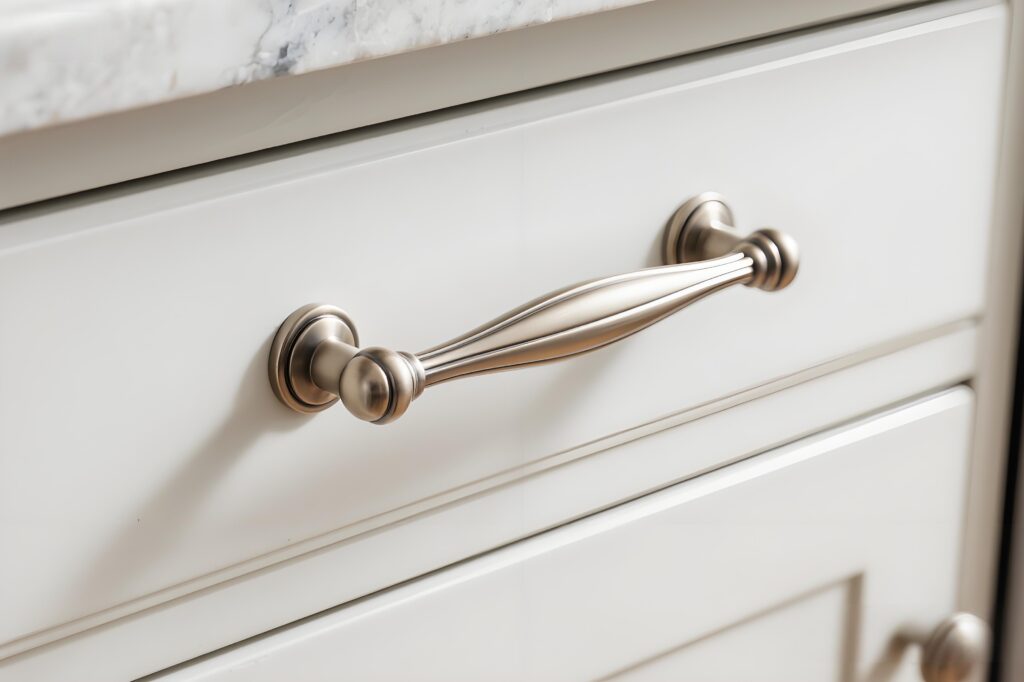
I get this question from both new homeowners and experienced cooks. Knobs take up less space, but hands often slip or miss them when wet or oily. Handles let you grab with a whole hand, apply even force, and clean more quickly. A straight handle also looks modern and prevents buildup at a single spot. For kitchen cabinets, I always suggest smooth handles—ideally 128mm+ double-hole bars. They lower infection risks, resist wear, and make daily cooking much smoother. Knobs work fine for secondary storage but should not become the main hardware in high-use kitchens.
Conclusion
Smooth, simple handles help keep kitchen cabinets clean, safe, and stylish—making them the best choice over carved or ornate alternatives.