Why do handles discolor over time?
Handle discoloration isn't a random quality issue. It's a result of material vulnerability and environmental factors. Understanding these reveals prevention strategies.
Handles discolor over time due to material limitations, environmental exposure, and daily use habits, which impact their durability and appearance.
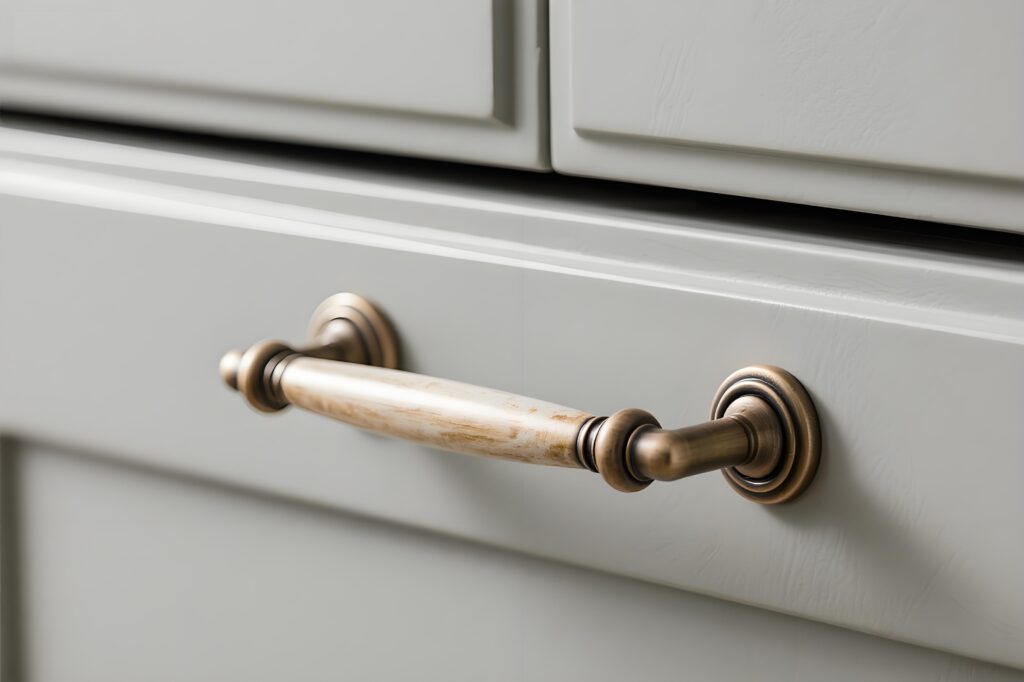
From working with global markets, I've found that discoloration arises when material thresholds are exceeded. Kitchens with high heat and moisture, and bathrooms with consistent dampness, challenge plastic or thinly plated zinc alloy handles. UV exposure degrades pigments, leading to yellowing, while friction and moisture strip protective layers in cheaper alloys, exposing them to rust.
How to fix tarnished door handles?
Tarnished handles disrupt aesthetics, but simple restoration methods can refresh their look effectively.
Fix tarnished door handles by gently cleaning them with a vinegar and water solution, followed by a polish formulated for the handle's material type.
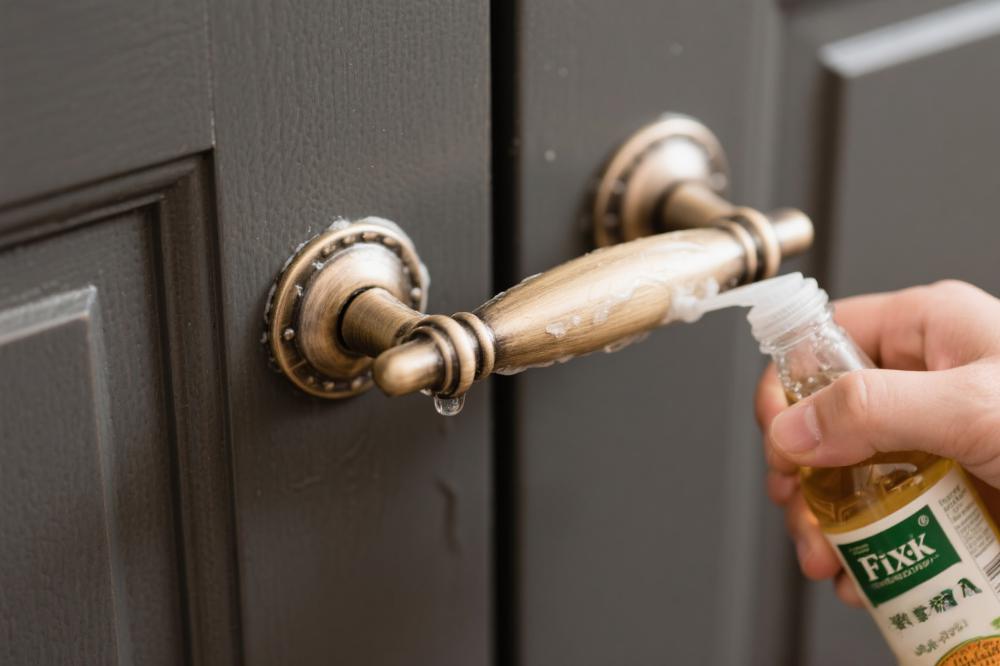
For tarnished handles, mix equal parts vinegar and water to remove surface grime. Use a soft cloth to apply, avoiding abrasive tools that may scratch. For stubborn stains, a metal-specific polish can restore shine. Regular maintenance like this prevents future tarnish and extends the handle's life.
| Cleaning Step | Materials Needed | Tips |
|---|---|---|
| Gentle Cleaning | Vinegar and Water | Soft Cloth |
| Polishing | Metal-specific Polish | Avoid Abrasives |
How long should a door handle last?
Door handle longevity is tied to material quality and environmental conditions, informing consumer expectations and care plans.
A well-maintained door handle can last between 5 to 20 years, depending on its material and the environment it is used in.
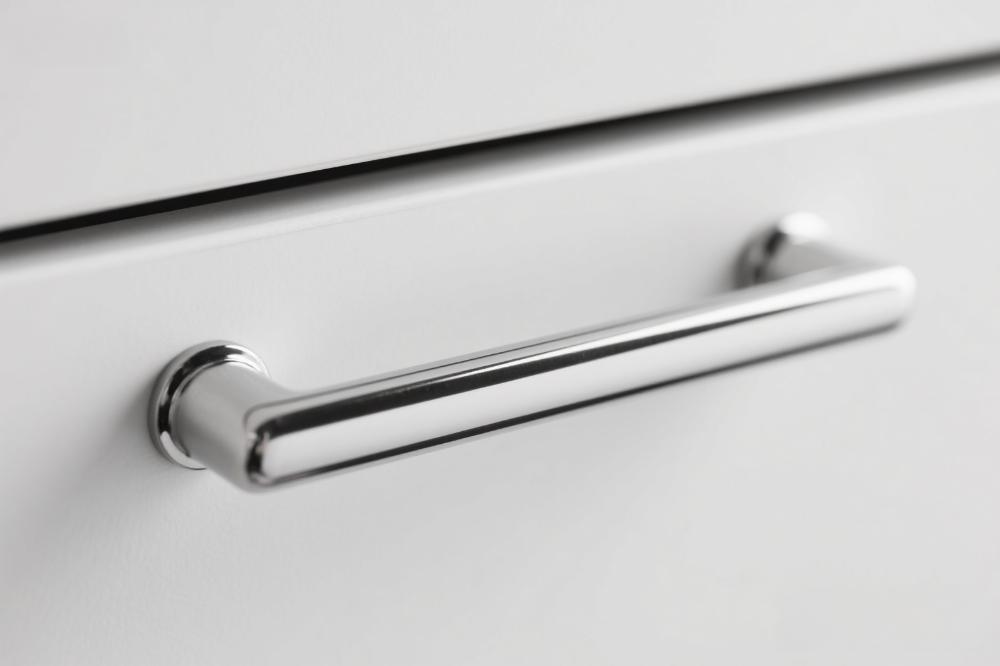
High-quality handles, like those made of 304/316 stainless steel or solid aluminum, resist environmental stressors and maintain aesthetics longer than lower-end materials. Regular care, involving gentle cleaning and protection from harsh elements, ensures handles perform optimally and retain their look over the years.
| Material Type | Typical Lifespan | Maintenance Needs |
|---|---|---|
| Stainless Steel/Aluminum | 15-20 Years | Low to Moderate |
| Zinc Alloy/Plastic | 5-10 Years | Moderate to High |
Can you fix stainless steel discoloration?
Even durable materials like stainless steel can suffer from discoloration; knowing corrective steps preserves its value.
Yes, stainless steel discoloration can be fixed by using a non-abrasive cleaner or a commercial stainless steel polish to restore its original finish.
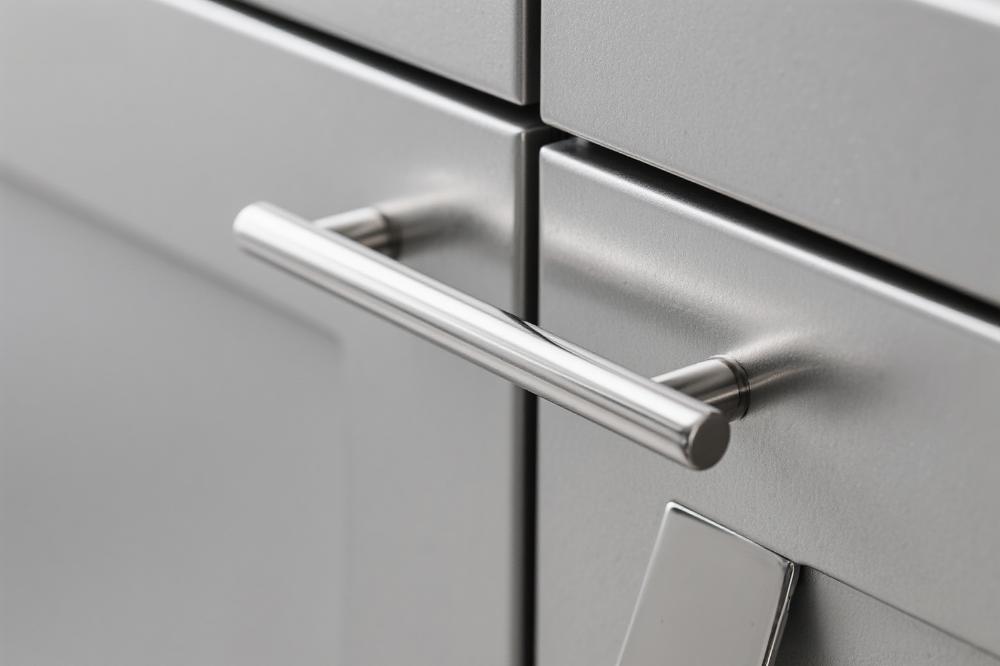
To restore stainless steel, apply a non-abrasive cleaner with a microfiber cloth in the direction of the grain. Persistent spots may require a dedicated stainless steel polish. Regular cleaning prevents buildup and maintains the natural luster, keeping the metal vibrant and free from blemishes.
| Restorative Step | Recommended Product | Application Tip |
|---|---|---|
| Cleaning | Non-abrasive Cleaner | Microfiber Cloth |
| Polishing | Stainless Steel Polish | Follow Grain |
How to get fridge handles white again?
Restoring white fridge handles combats discoloration, rejuvenating their appearance and kitchen appeal.
To whiten fridge handles, use a mixture of baking soda and water to scrub the surface gently, then rinse and dry thoroughly to remove stains.
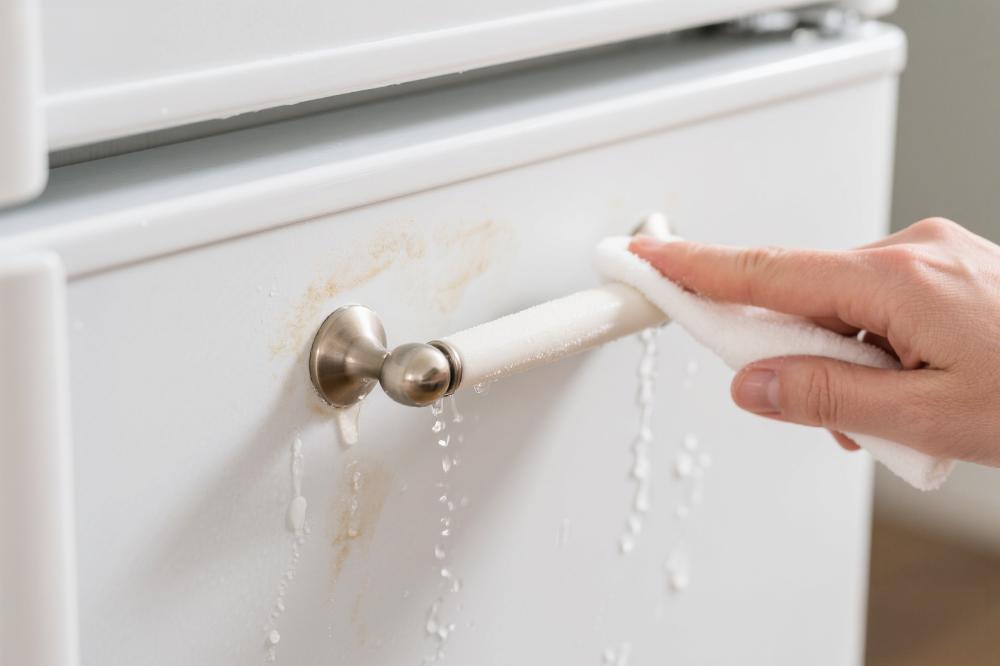
Create a paste combining baking soda and water, applying it with a soft brush to lift stains caused by oils and residues. Rinse with clean water, then dry with a cloth to prevent streaks. Consistent care retains the handle's bright appearance and functionality.
| Cleaning Technique | Ingredients Needed | Outcome Focus |
|---|---|---|
| Mild Scrubbing | Baking Soda, Water | Stain Removal |
| Thorough Drying | Clean Cloth | Streak-free Finish |
Conclusion
Handle discoloration results from mismatched materials and conditions. Choosing suitable materials and maintaining care extends their lifespan and aesthetics.