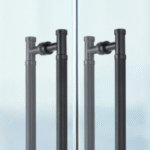
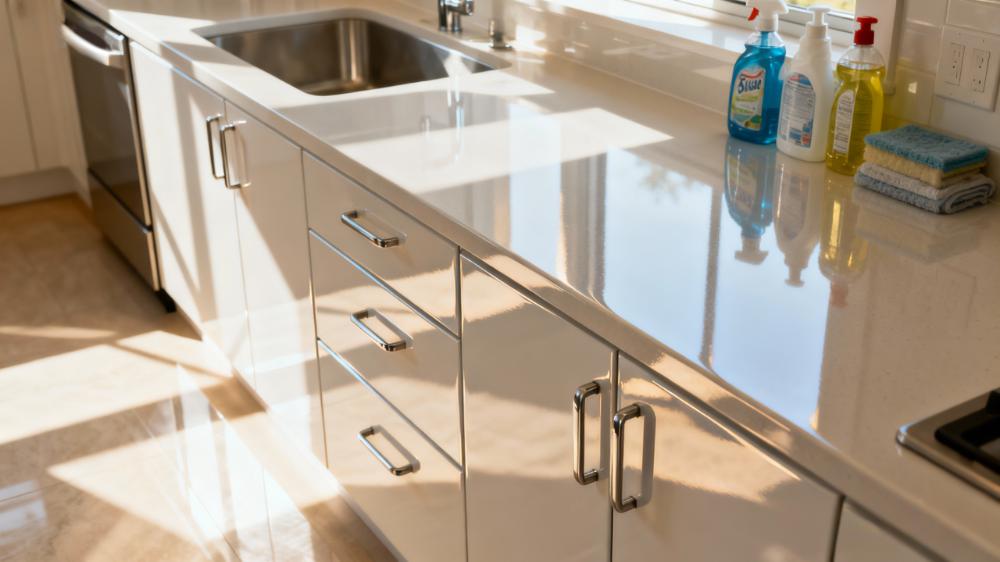
Why are matte kitchen handles harder to clean than glossy ones after getting oily?
Glossy and matte handles may seem similar, but their cleaning differences lie in surface texture, affecting how oil adheres and is removed.
Matte kitchen handles are harder to clean when oily because their textured surfaces capture oil in tiny recesses, unlike the smooth finish of glossy handles.
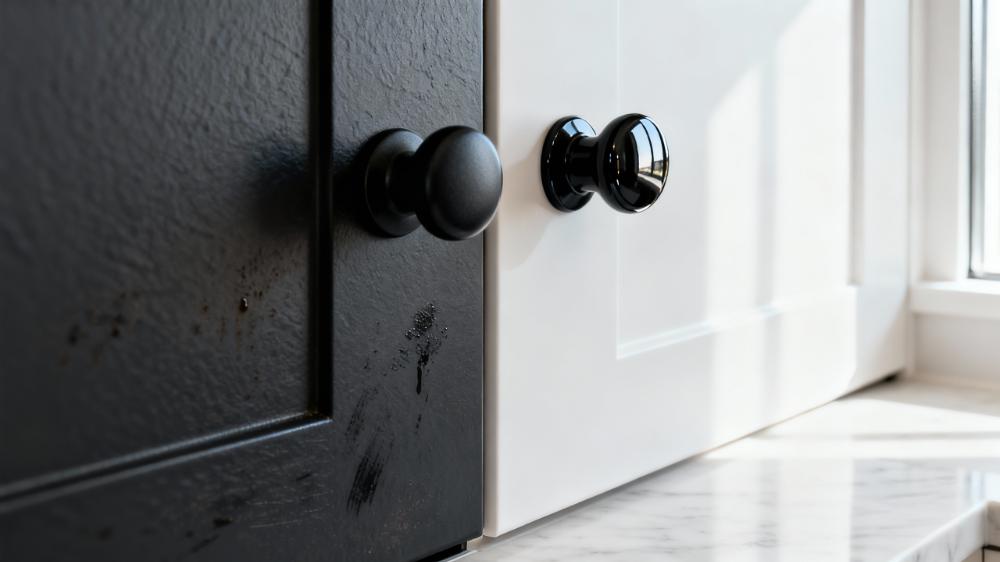
From my years in the hardware trade, the Ra value (surface roughness) is key. Glossy handles, polished or plated, have low Ra values, allowing easy wipe-downs. Meanwhile, matte finishes, created by sandblasting or etching, have minuscule grooves that trap oil, challenging cleaning efforts.
Is gloss or matt kitchen easier to clean?
Easier cleaning often means less time scrubbing. Understanding surface differences clarifies cleaning challenges.
Gloss kitchens are easier to clean than matte ones due to their smooth, reflective surfaces that repel oils and resist grime accumulation.
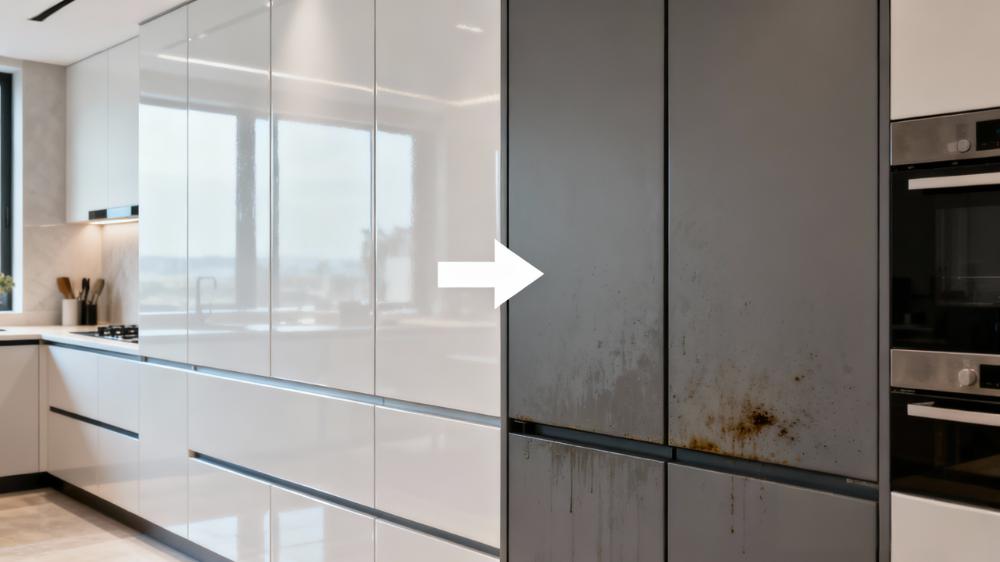
For clients, feedback consistently shows glossy handles simplify maintenance. Their polished layers mean oils don’t penetrate, needing just a soft cloth and gentle cleanser to keep them pristine. Matte options, however, demand more effort to extract oil from micro-grooves, making them less convenient for busy lifestyles.
| Finish Type | Cleaning Ease | Maintenance Needs |
|---|---|---|
| Glossy | High | Low |
| Matte | Moderate to Low | High |
How to clean greasy marks off matt kitchen cupboards?
Grease removal can seem relentless, but using the right tactics frees surfaces from oil grip.
To clean greasy marks off matte cupboards, use a solution of warm water and mild detergent, gently scrubbing along the grain with a damp cloth.
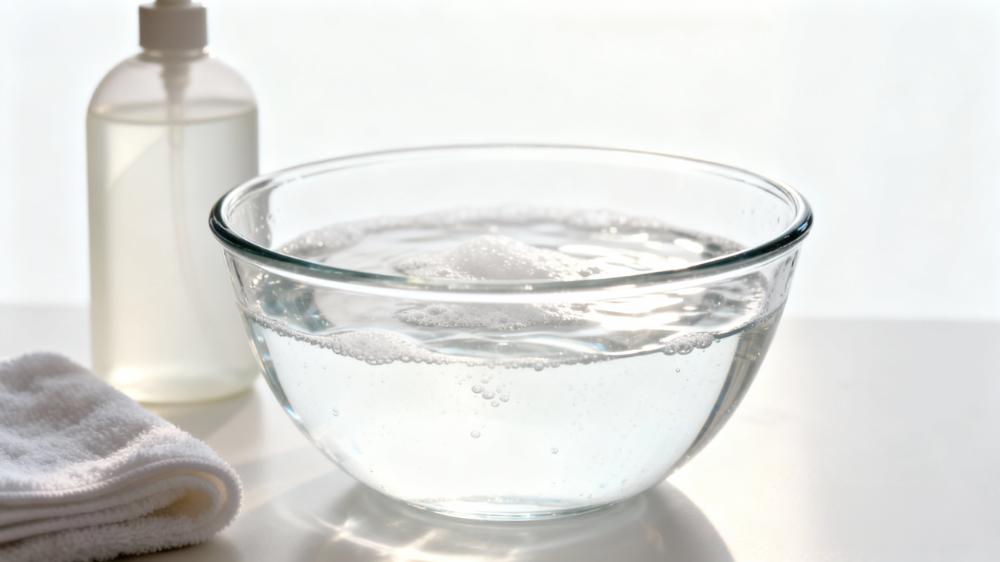
For routine cleaning, mix lukewarm water with neutral dish soap. Submerge a cloth, wringing it to damp, and wipe in the grain's direction to lift surface oil without pushing it deeper. For heavier buildup, apply a baking soda paste gently with a soft sponge. Let it sit briefly to break down grease, then wipe clean. Avoid abrasives that may harm the finish.
| Cleaning Method | Application | Avoid |
|---|---|---|
| Mild Detergent | Routine Cleanup | Strong solvents |
| Baking Soda Paste | Heavy Grease | Abrasive tools |
Are matte cabinets hard to clean?
Cleaning complexity isn't universal—matte cabinets can be manageable with the right approach.
Matte cabinets are harder to clean, but consistent maintenance and gentle techniques simplify removal of grime and preserve their texture.
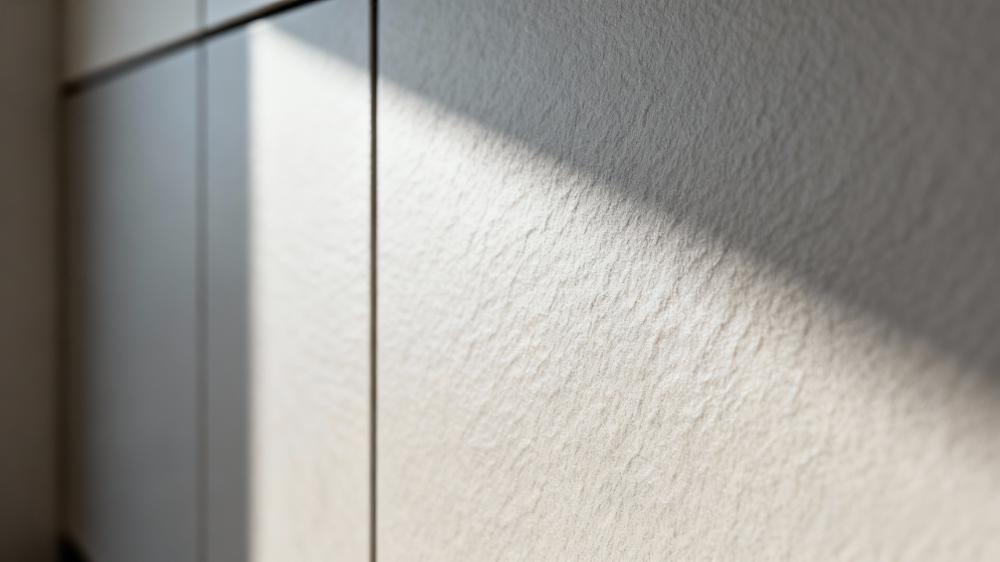
While customers appreciate matte aesthetics for resisting fingerprints and scratches, they often struggle with oil absorption in rough textures. Sharing cleaning protocols helps manage expectations. I advise using non-abrasive sponges and soft cloths with the outlined methods to ensure effective upkeep without damaging the finish.
| Cleaning Challenge | Frequency | Tools Recommended |
|---|---|---|
| Oil Absorption | Regular | Soft Cloths |
| Texture Damage | As needed | Non-abrasive Sponges |
How to clean greasy kitchen handles?
Tackling grease on handles blends timeliness with technique—specific steps ensure enduring cleanliness.
Clean greasy kitchen handles by promptly wiping with a mild detergent solution, using a soft cloth to avoid embedding oils further into the material.
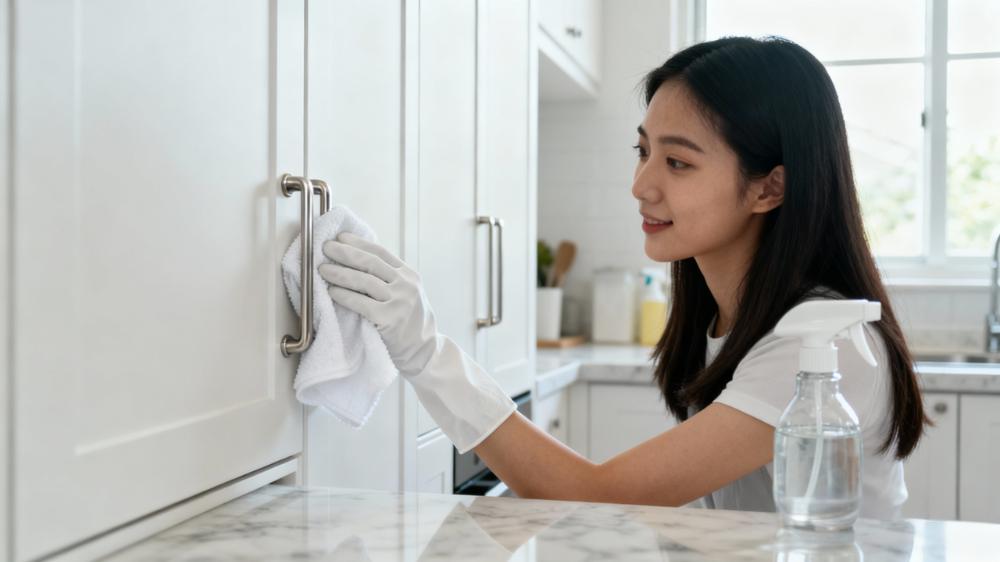
It’s crucial to act fast, ideally within 24 hours, to minimize adherence and ensure ease. Opt for zinc alloy or stainless steel handles treated with neutral cleaners, preserving finishes without the risk of discoloration or corrosion. Maintenance involves smooth, gentle strokes, maintaining product longevity and aesthetic integrity.
| Process Step | Timing | Effectiveness |
|---|---|---|
| Immediate Cleaning | Within 24 hours | Reduces Staining |
| Neutral Cleaners | Regular Use | Preserves Finish |
| Gentle Technique | Ongoing | Prolongs Usage |
Conclusion
Matte handles require more care for cleaning oily residues due to their textured surfaces. Understanding the nuances ensures effective maintenance without damage.