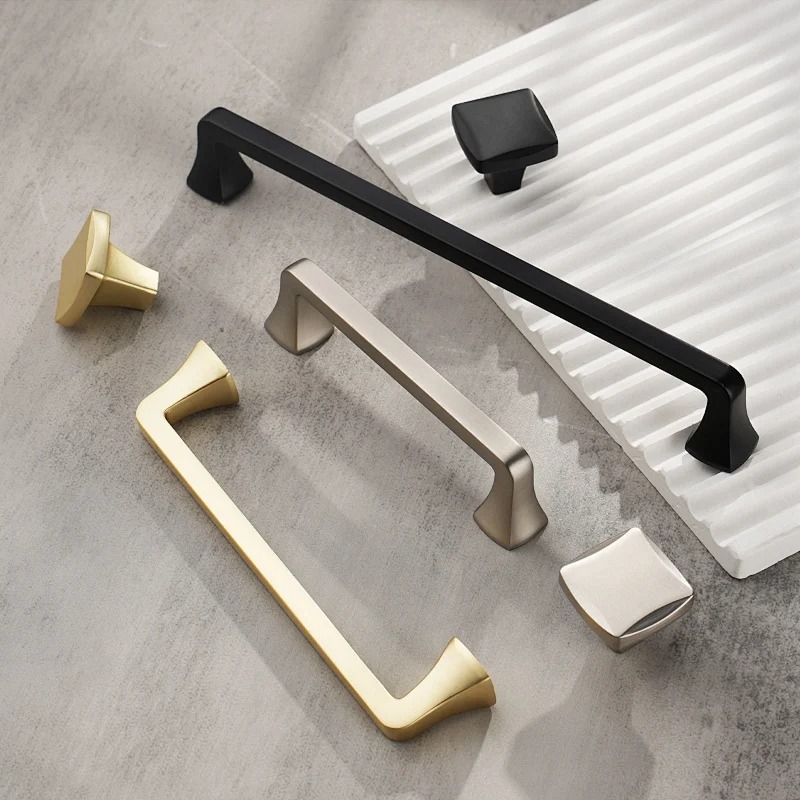
What material is good for furniture handles?
Picking the right material for furniture handles can be tricky. Each material has strong points and limits depending on use.
Good furniture handle materials depend on the setting. Zinc alloy offers high hardness and detailed designs, while stainless steel shines in durability and rust resistance. Your choice shapes feel, look, and lifespan.
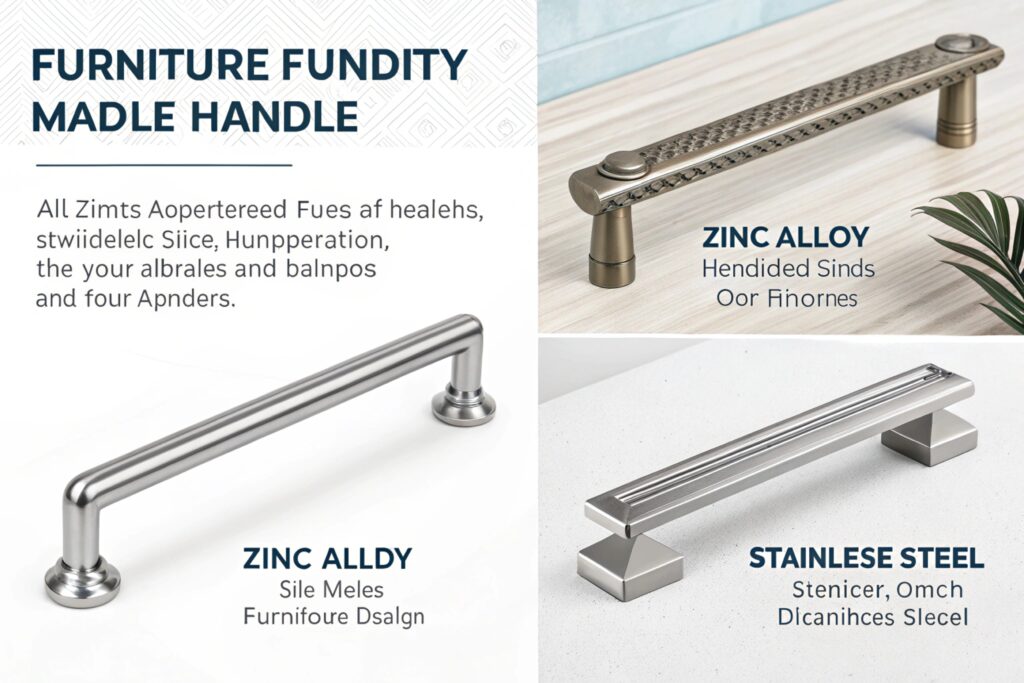
Choosing the best handle means balancing style, durability, and function. The material must fit the furniture style and withstand the environment. I will explain the best materials for cabinet pulls, the 1 3 rule for handle placement, what handles are made from, and how zinc compares to stainless steel.
What is the best material for cabinet pulls?
Cabinet pulls come in many materials. Which works best overall?
Zinc alloy and stainless steel are top choices. Zinc alloy excels in shaping and plating variety, stainless steel offers rust resistance and strength for heavy use.
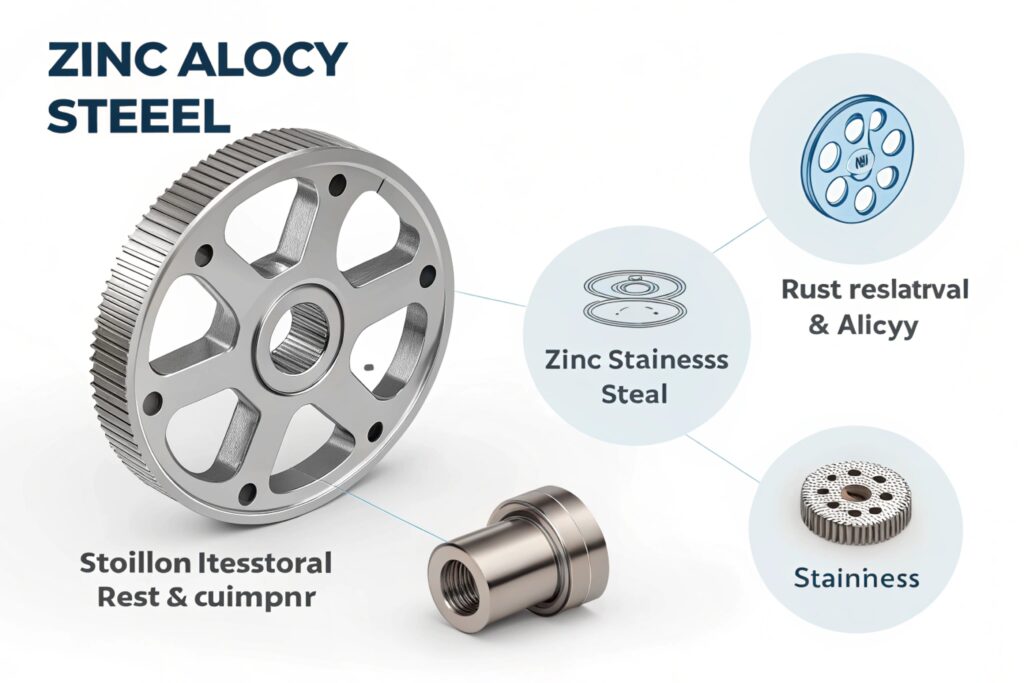
Zinc alloy handles can be made into complex shapes, like vintage or floral designs. They take plating well (chrome, copper, antique gold), balancing beauty and price. Stainless steel pulls resist rust better and handle moisture, ideal for kitchens or bathrooms. Aluminum alloy and brass also appear but have specific pros and cons. Material choice depends on where and how the pull will be used.
Material pros and cons:
| Material | Advantages | Considerations |
|---|---|---|
| Zinc Alloy | High hardness, detailed shapes, plating options | May corrode in harsh moisture |
| Stainless Steel | Rust-resistance, strong, durable | Higher cost, simpler designs |
| Aluminum Alloy | Lightweight, corrosion resistant | Less hardness, softer feel |
| Brass | Classic look, ages well | Can tarnish, requires care |
Choosing material shapes cost, style, and lifespan.
What is the 1 3 rule for cabinet handles?
Placement of handles matters for usability and look. What is the 1 3 rule?
The 1 3 rule places handles about one third along the drawer or door edge to balance style and ease of grip naturally.
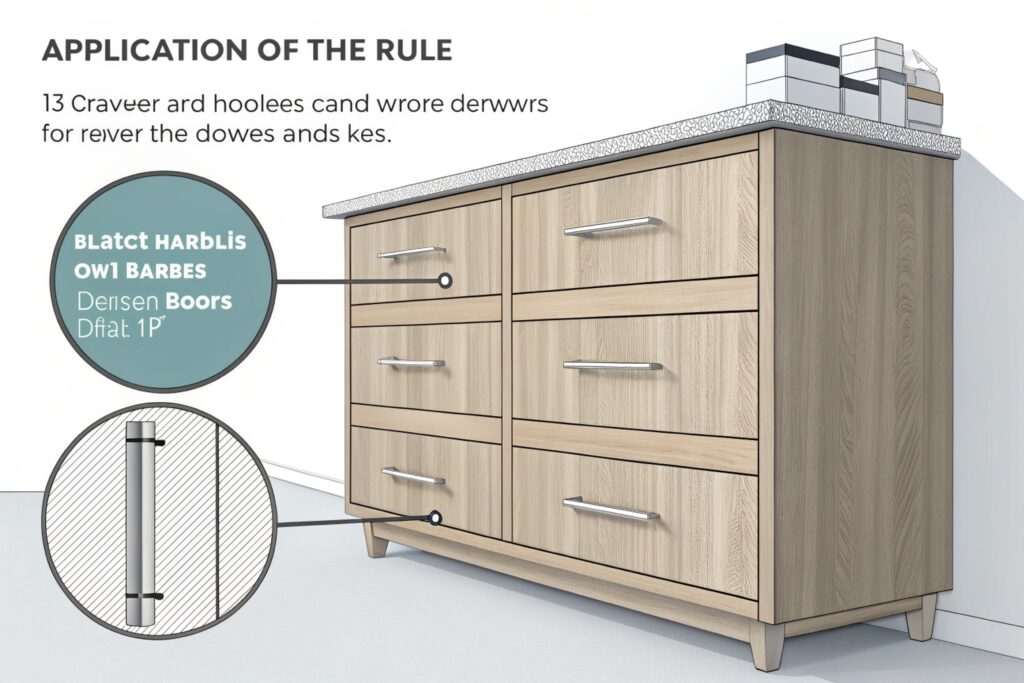
This rule guides position to avoid awkward central or edge placements. For drawers, measure the width and mark a third from one side to fix the handle. For doors, placement can be vertical or horizontal depending on door style. Proper placement ensures ergonomic feel and pleasing symmetry.
| Item | Handle Position |
|---|---|
| Drawer | 1/3 from edge horizontally |
| Door | 1/3 from side vertically/horizontally |
The 1 3 rule keeps design clean and comfortable.
What are furniture handles made of?
Handles use many materials depending on desired style, touch, and use.
Furniture handles are commonly made of zinc alloy, stainless steel, aluminum alloy, brass, wood, plastic, and ceramic—each offering different looks and durability.
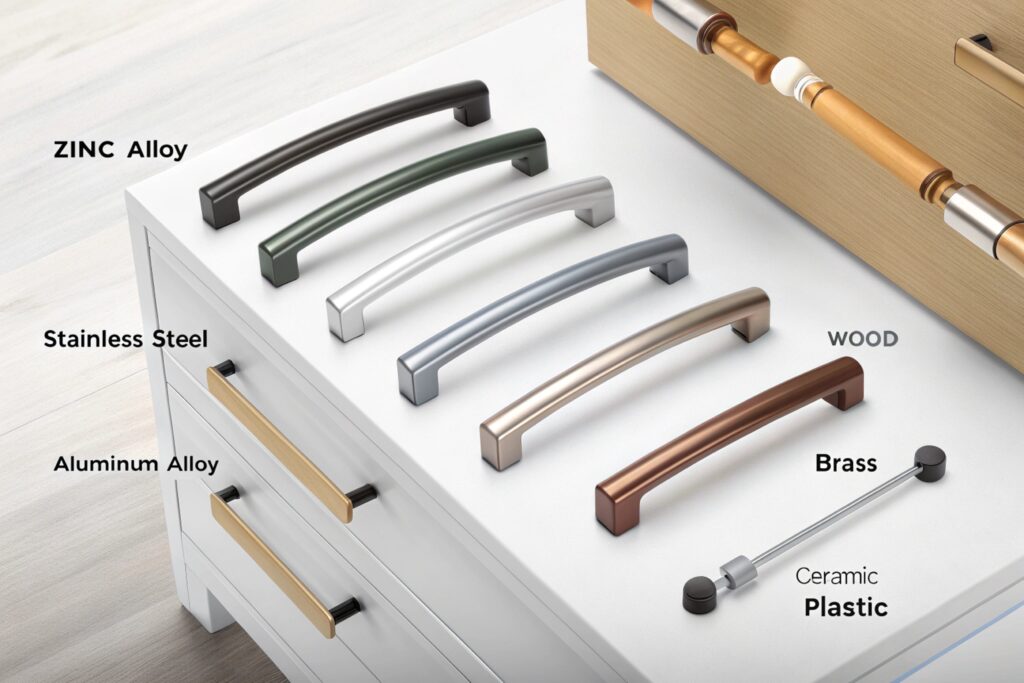
- Zinc alloy is popular for its ability to form detailed shapes and take plating.
- Stainless steel brings modern clean looks and great corrosion resistance.
- Aluminum alloy is less heavy but still tough and rust-proof.
- Brass offers classic depth and ages gracefully.
- Wood adds warmth and texture but needs care for moisture.
- Plastic and ceramic give colors and shapes but are less durable.
Material examples and typical use:
| Material | Feature | Typical Use |
|---|---|---|
| Zinc Alloy | Complex shapes, plated | Vintage, ornate handles |
| Stainless Steel | Durable, corrosion-proof | Modern kitchens, bathrooms |
| Aluminum Alloy | Lightweight, cost-effective | Contemporary furniture |
| Brass | Old-world charm, patina | Classic or antique furniture |
| Wood | Warm, natural feel | Rustic or natural-style handles |
| Plastic/Ceramic | Colorful, decorative | Light-use furniture |
Material choice shapes function and feel.
Is zinc or stainless steel better for cabinet pulls?
Zinc alloy and stainless steel both have strong points. Which fits your needs best?
Zinc alloy is better for decorative, complex designs and offers great plating finishes; stainless steel is superior for strength, rust resistance, and moisture-prone areas.

Zinc alloy’s hardness lets it keep detailed carved or vintage style pulls well. It offers cost-effective style but may corrode without plating in wet environments. Stainless steel lasts longer without rusting, making it ideal for kitchens or bathrooms. Stainless looks more modern and minimalist but is harder to shape into fine detail. Your choice depends on style preference and environment conditions.
Comparison:
| Feature | Zinc Alloy | Stainless Steel |
|---|---|---|
| Durability | Hard, detailed, may need plating | Very strong, highly rust-proof |
| Style | Ornate, vintage, multiple finishes | Modern, sleek, simple forms |
| Cost | Generally lower | Slightly higher |
| Best for | Decorative indoor, dry areas | Moist or heavy-use areas |
Choose zinc for style variety; stainless for long-lasting strength.
Conclusion
Good furniture handle materials depend on use and style. Zinc alloy fits detailed designs and cost needs; stainless steel wins in durability and moisture resistance. Understanding your environment and style guides the perfect choice.