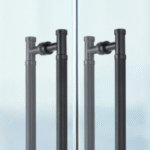
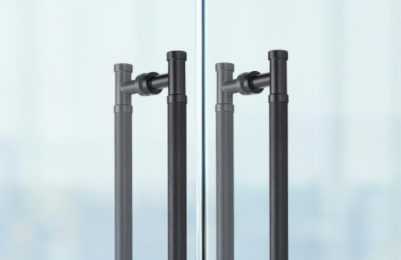
What is the minimum order quantity (MOQ) for the large door handle?
Navigating MOQ can make a big difference in purchasing, especially for different scales of business needs.
The minimum order quantity (MOQ) for a large door handle varies, but typically starts at smaller quantities and can be customized for specific sizes.
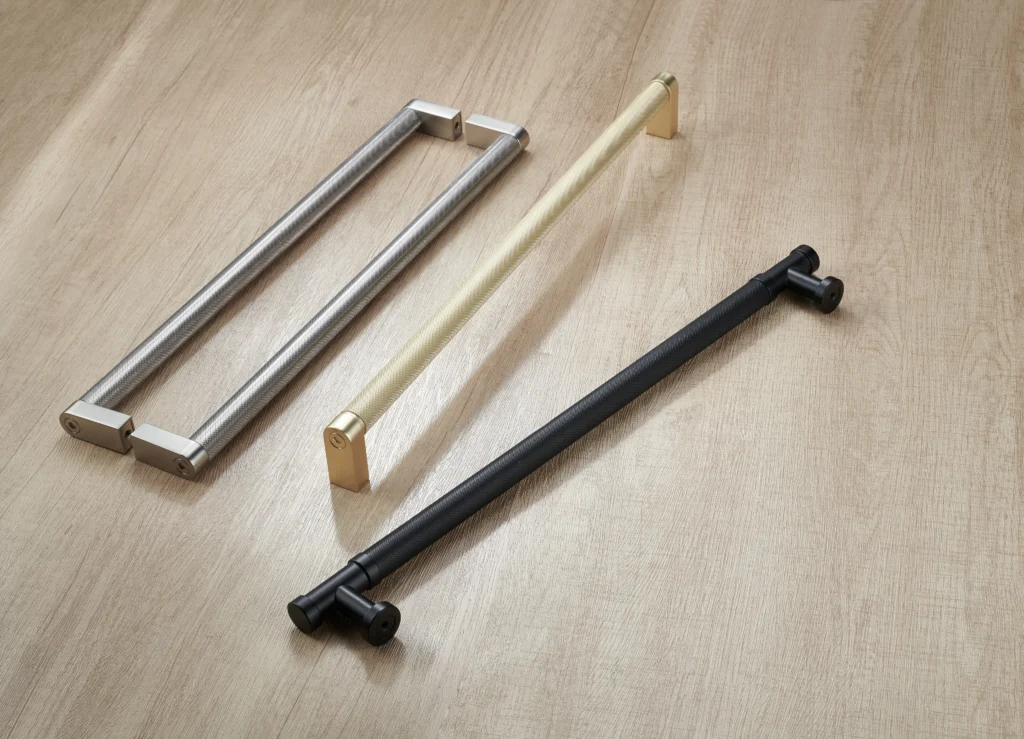
From my experience, larger handles often have a lower MOQ due to customization options. This flexibility benefits smaller buyers. However, high MOQs allow for better negotiation on prices, often resulting in more favorable deals for larger bulk purchases.
What is the minimum order quantity MOQ?
MOQ is a crucial concept in manufacturing and purchasing, guiding buyers and suppliers in transaction terms.
Minimum Order Quantity (MOQ) is the smallest amount of a product a supplier is willing to sell, determining the minimum volume for each transaction.
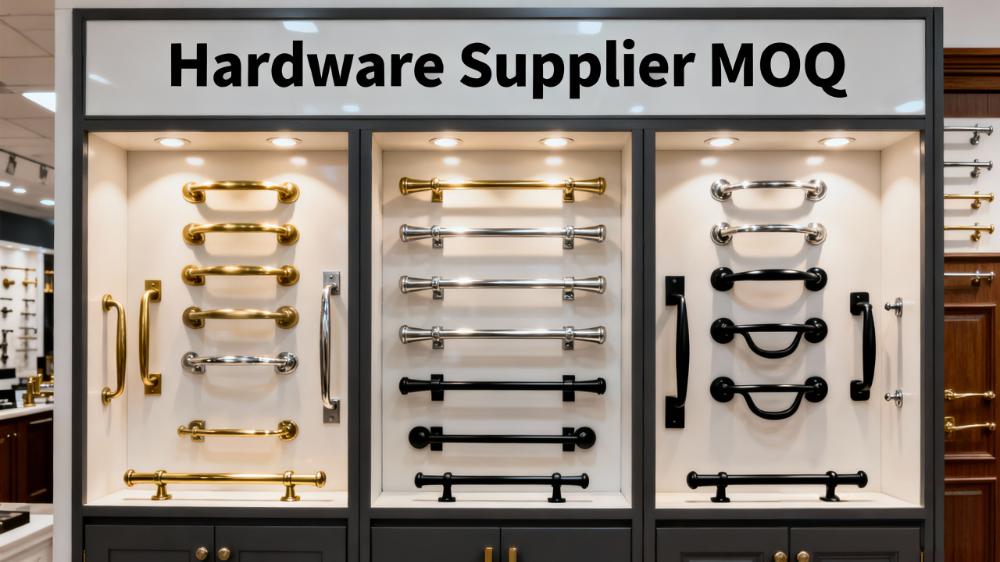
The MOQ is set by manufacturers to cover production costs and maximize efficiency. It varies by product, reflecting material availability, production complexity, and market demand. This practice ensures both supplier profitability and buyer accessibility depending on order size.
| Factor Influencing MOQ | Explanation |
|---|---|
| Production Cost | Covers basic expenses |
| Market Demand | Influences flexibility |
What is the MOQ quantity required?
Understanding the necessity of MOQ helps align purchasing strategies with business objectives.
The MOQ required depends on supplier conditions and product type, ranging from a few units for customization to hundreds for standard items.
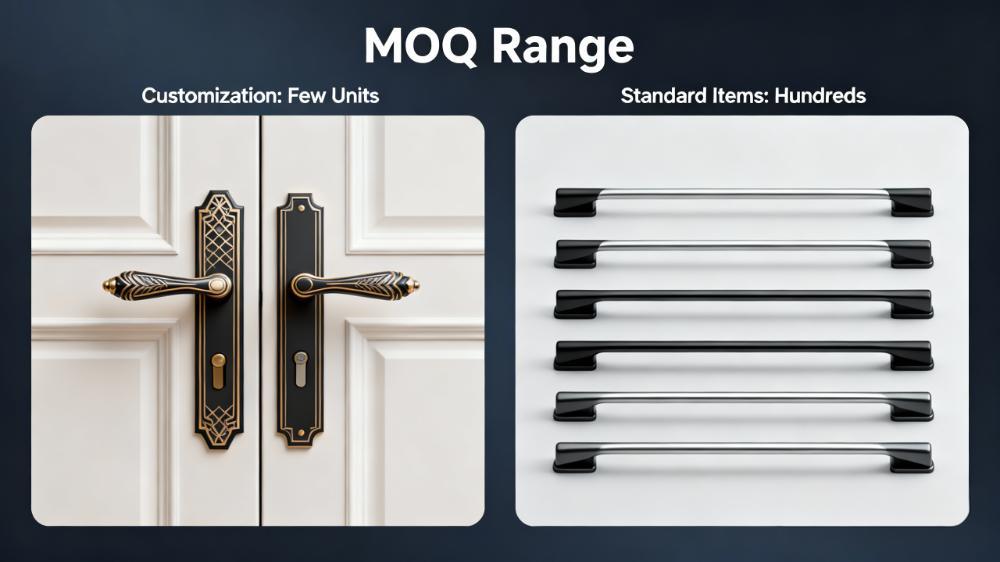
Depending on supplier policies and the nature of the item, the MOQ can range. Custom-sized large handles may only need a few initial orders, while standardized models might require a larger quantity. Knowing this helps businesses balance budget with supply demands.
| Item Type | Typical MOQ |
|---|---|
| Custom Handles | 10-50 units |
| Standard Handles | 100-500 units |
What is 1000 MOQ?
A 1000 MOQ signifies strategic purchasing decisions, impacting inventory and cost management.
A 1000 MOQ means a buyer must purchase at least 1000 units of a product, beneficial for price negotiations but requires higher inventory commitment.
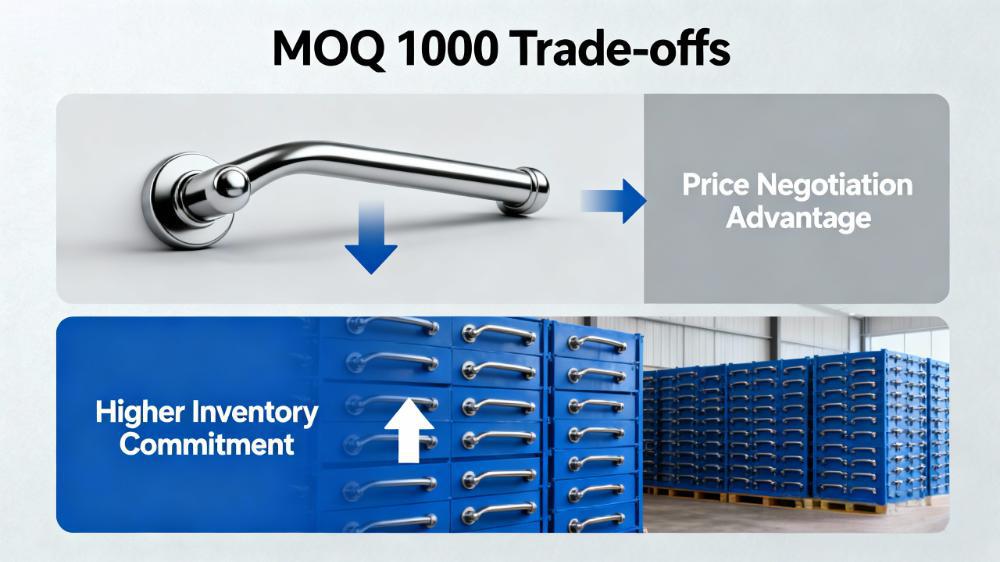
Opting for a 1000 MOQ allows businesses to leverage better pricing through bulk purchasing. This setup is ideal for buyers with consistent demand, enabling stock management that aligns with long-term planning and price efficiency.
| Advantage | Impact |
|---|---|
| Price Negotiation | Lower per unit cost |
| Inventory Management | Requires storage space |
Is a low or high MOQ better?
Choosing between low and high MOQ aligns with business priorities; each has distinct pros and cons.
A low MOQ is better for small businesses looking for flexibility, whereas a high MOQ benefits larger buyers by providing cost-effective pricing.
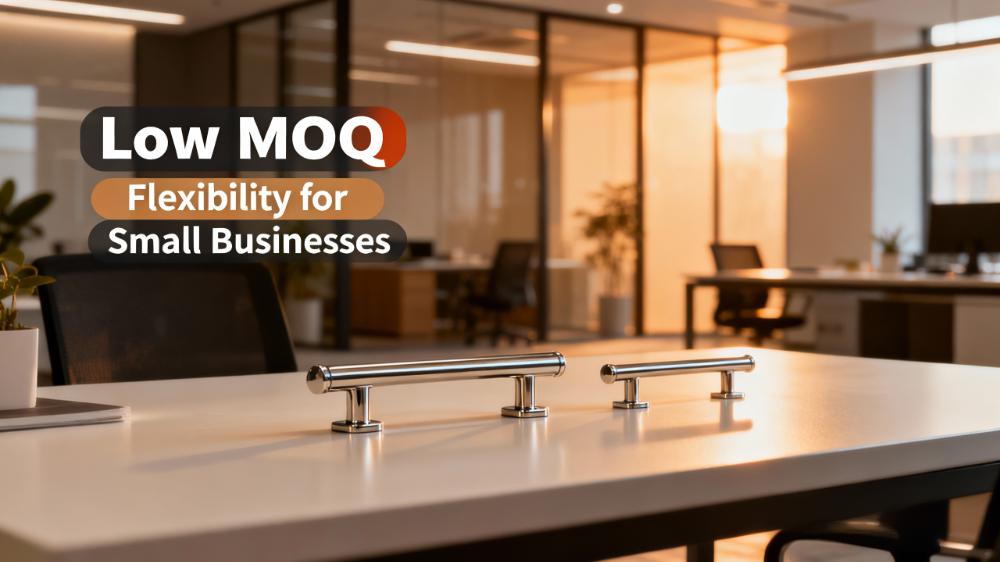
For smaller buyers or those with uncertain forecasts, a low MOQ offers purchasing agility without unnecessary stock. Conversely, high MOQs favor large-scale operations by reducing unit costs, suitable for consistent demand scenarios.
| Criteria | Low MOQ | High MOQ |
|---|---|---|
| Flexibility | High | Low |
| Cost Efficiency | Moderate | High |
Conclusion
Choosing the right MOQ balances flexibility with cost efficiency, tailoring purchase strategies to business needs and market conditions.