What handles for commercial & public glass doors?
Choosing the right door handle transforms functionality and style in public spaces, responding to specific demands for safety and design.
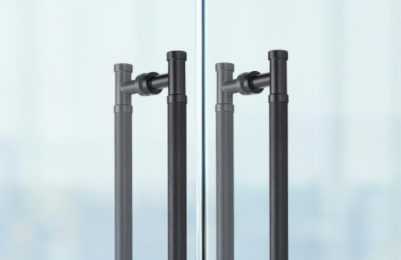
The best handles for commercial and public glass doors combine durability, compliance, and design flexibility to meet varying functional and aesthetic needs.
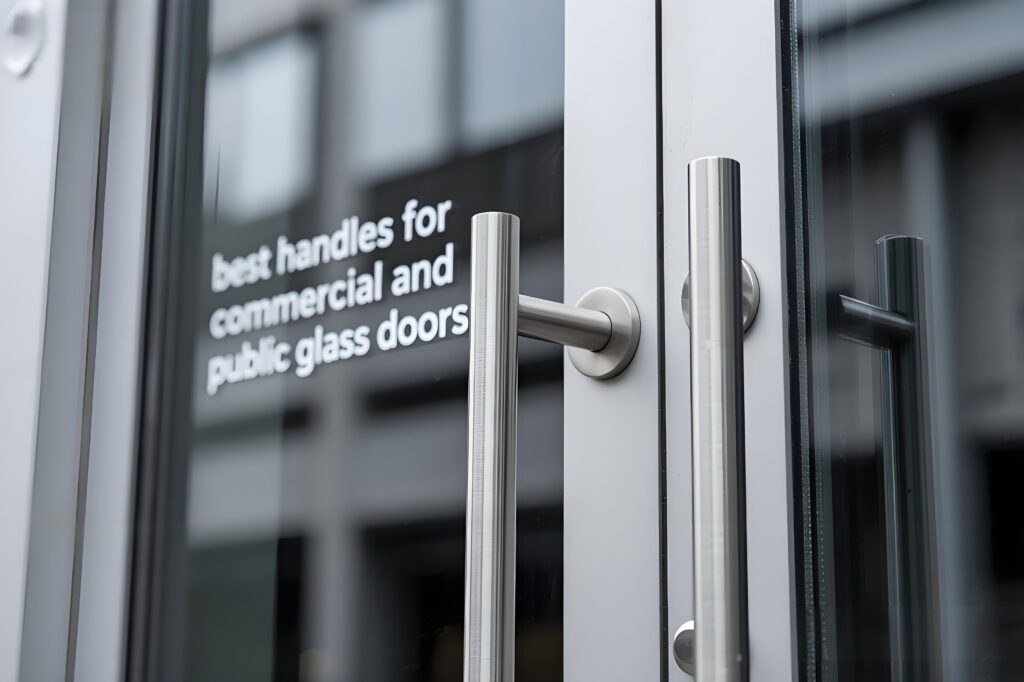
Based on my experience, handles in commercial settings prioritize security and compatibility with lock systems. Lever handles, long bar handles, and combination handles are the most prevalent, catering to different configurations and usage scenarios.
What type of handle is used in most commercial locksets?
Commercial establishments need reliable, efficient handles that withstand frequent use.
The most common handles in commercial locksets are lever handles, favored for their ease of use and adaptability to both mechanical and electronic locks.
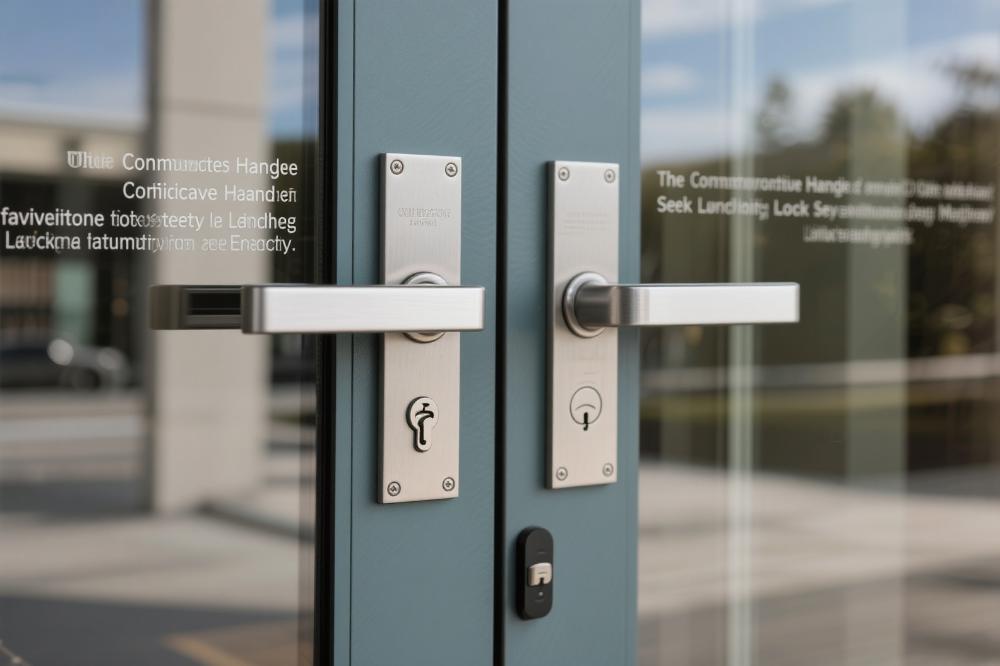
Lever handles dominate due to their ergonomic design, making them suitable for high-traffic areas. Their compatibility with a variety of locks enhances security, while materials like 304 stainless steel ensure longevity, reducing public space noise with silent mechanisms.
| Handle Type | Use Case |
|---|---|
| Lever Handles | Offices, Hotels |
| Long Bar Handles | Shopping Centers |
| Combination Handles | Emergency Exits |
What is the new trend in door handles?
Modern designs adapt to emerging demands, balancing aesthetics and functionality for contemporary environments.
Current trends in door handles focus on minimalist design, smart technology integration, and sustainable materials, reflecting shifts towards modernity and environmental consciousness.
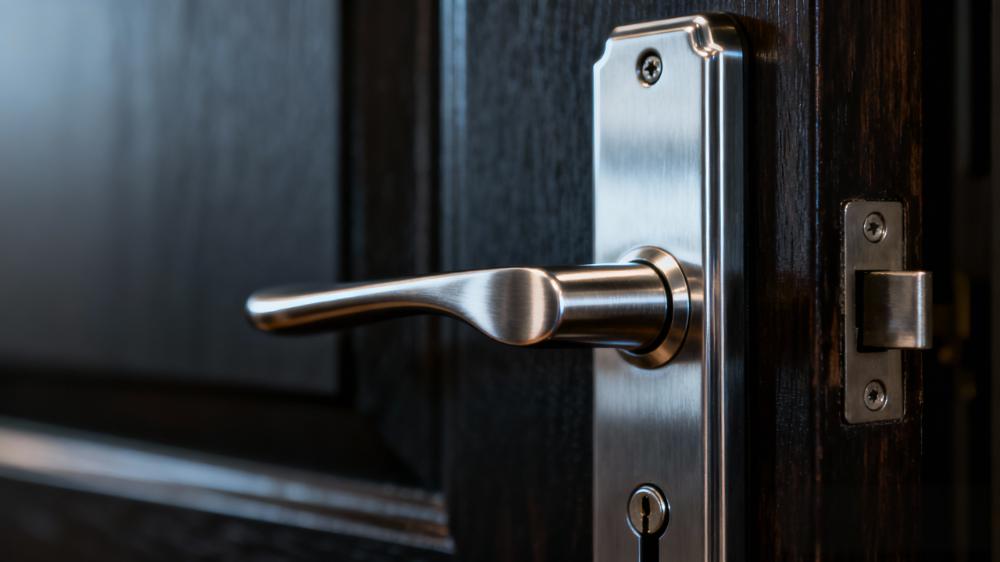
Invisible integrated designs are trending, offering sleek, flush finishes that minimize protrusion. Smart handles featuring touch and card access present convenience. Matte stainless steel and recycled brass align with eco-friendly standards, popular in European markets for their sustainability and low-maintenance finish.
| Trend Element | Feature Description |
|---|---|
| Minimalism | Embedded, sleek designs |
| Smart Functions | Touch and card integration |
| Eco-friendly | Recyclable, low-maintenance materials |
What are ADA compliant door handles?
Accessibility standards define handle design, ensuring inclusivity in public and commercial spaces.
ADA compliant door handles meet requirements for ease of use, accommodating individuals with disabilities by promoting accessible design.
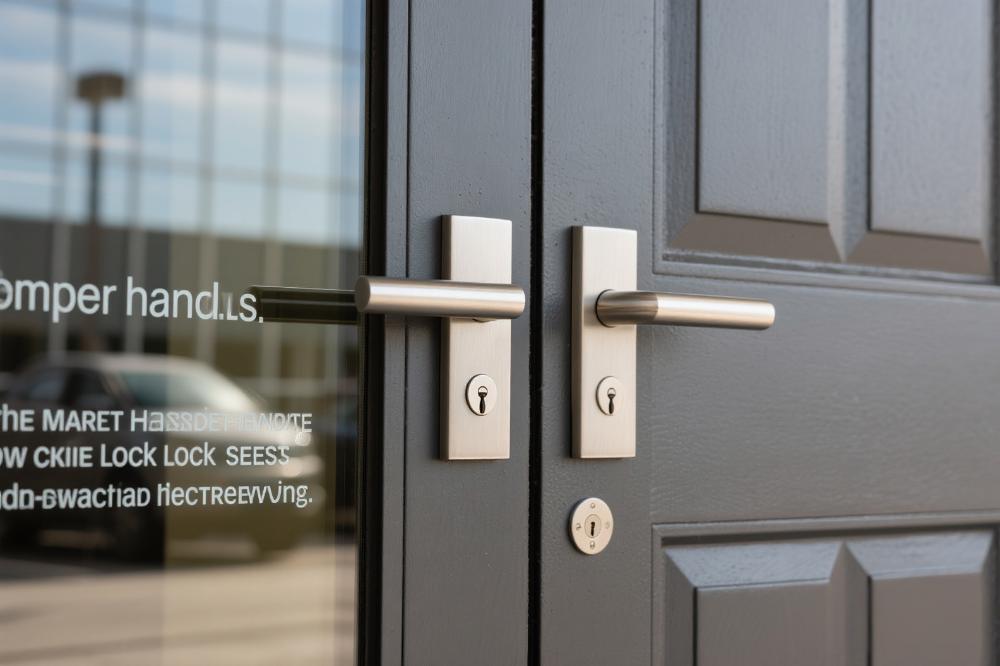
Handles must be easy to grasp and operate with minimal force, often featuring lever designs with smoothed edges to prevent injuries. Our North American clients prioritize these standards in their orders, demanding materials that pass salt spray tests for corrosion resistance, crucial for market suitability.
| Compliance Requirement | Specification |
|---|---|
| Grip Diameter | 19-32mm |
| Operation Force | ≤ 4.5 kg |
| Safety Features | Rounded edges, non-slip texture |
What are the three types of door handles?
Understanding the fundamental types of handles aids in matching them to specific needs and designs.
The three core types of door handles for commercial spaces are bored-through handles, clamp-on handles, and recessed handles, each designed for distinct mounting and style requirements.
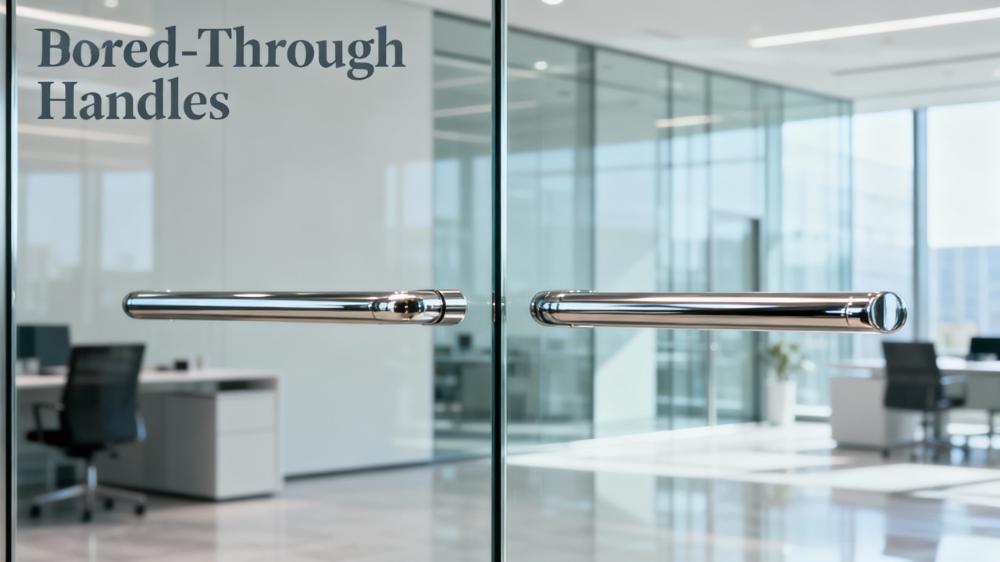
Bored-through handles offer stability through glass fixation, ideal for traditional setups. Clamp-on handles are versatile for temporary installations without glass alteration. Recessed handles provide a seamless appearance, perfect for high-traffic corridors to reduce collision risks.
| Handle Type | Key Features and Use |
|---|---|
| Bored-through | Fixed installation, secure for offices |
| Clamp-on | Non-invasive, adaptable for events |
| Recessed | Flush, minimalistic for clear paths |
Conclusion
Choosing the right handle for commercial glass doors involves balancing durability, compliance, and design innovation to suit varied applications.