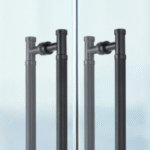

What Handle Should You Avoid for Kids' Room Safety?
Your child's room should be a safe haven, but some furniture hardware poses a hidden threat. Choosing the wrong handle can lead to bumps, scrapes, or even worse injuries.
To ensure safety, avoid any furniture handle with sharp edges, pointed corners, or small, protruding parts. These designs can cause injury during falls or play. Prioritize handles that are round, smooth, and simple in shape to eliminate risks for active children.
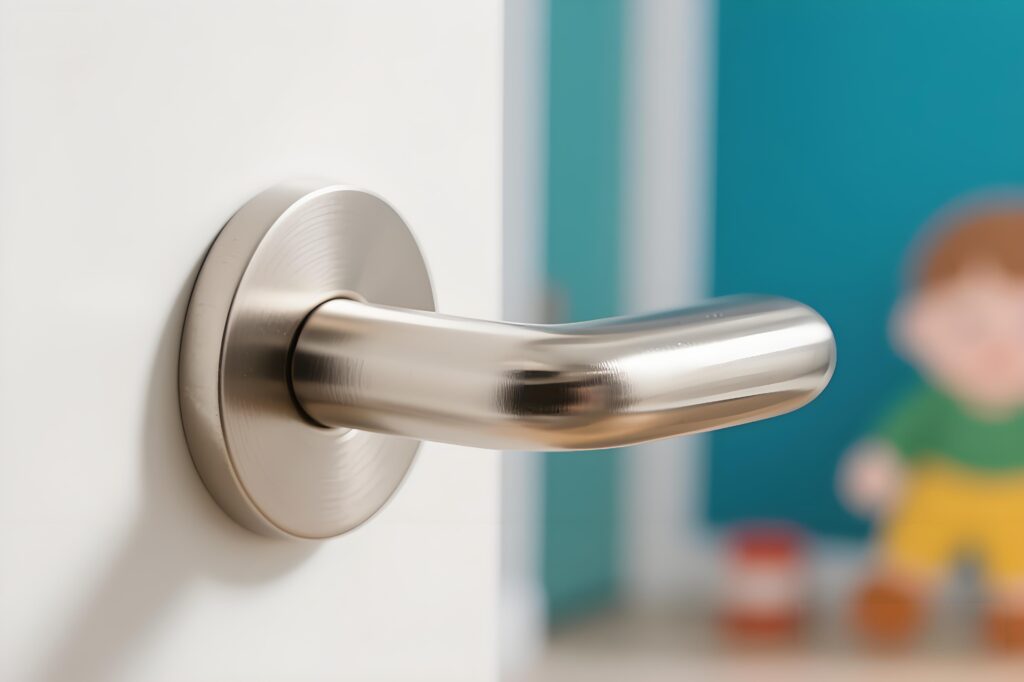
Getting the hardware right is the first step in creating a truly child-friendly space. Once you've selected safe handles, you can address other safety concerns in the room. Let's explore how to make the entire environment safer, starting with the doors themselves.
How Can You Make a Door Handle Childproof?
A curious toddler sees a door handle not as a boundary, but as a challenge. This can lead them into closets, bathrooms, or even outside without supervision, creating a stressful situation.
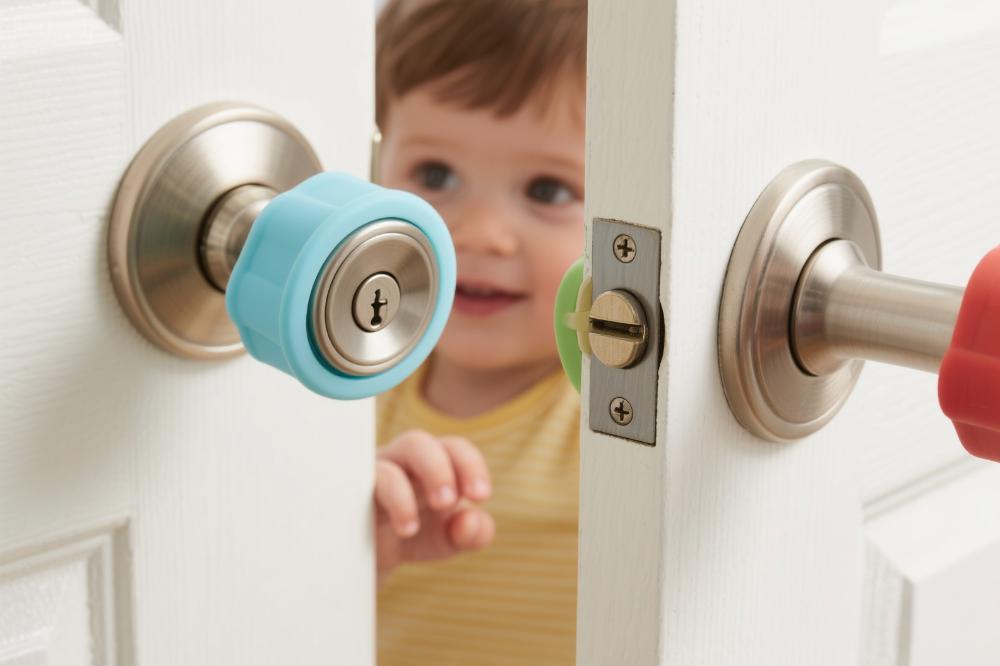
You can easily childproof a door handle with simple devices like doorknob safety covers or lever handle locks. These plastic covers spin freely, preventing small hands from getting the grip needed to open the door.
Dive Deeper: Choosing the Right Door Safety Device
Making a handle difficult for a child to operate is the core principle. While we specialize in furniture hardware, we often discuss overall room safety with clients like furniture factories and dealers. The same logic applies to both doors and drawers. Let's break down the common options for doors.
| Device Type | Works On | How It Works |
|---|---|---|
| Doorknob Safety Cover | Round Knobs | A two-piece plastic clamshell that snaps over the knob. Adults can grip through side holes, but children can't. |
| Lever Handle Lock | Lever Handles | An adhesive base with a rotating arm that blocks the lever's movement. Adults can easily swing it out of the way. |
| Pinch-Proof Stopper | Any Door | A C-shaped foam piece that fits on the top or side of the door to prevent it from latching shut, protecting little fingers. |
From my experience, the simplest solutions are often the most effective. These devices are great temporary fixes. However, when designing furniture for children's spaces, we aim to build safety in from the start. A smooth, round cabinet pull is naturally harder for a toddler to grip and pull than one with hard edges they can hook their fingers on.
How Do You Keep a Child Safe in the Bedroom?
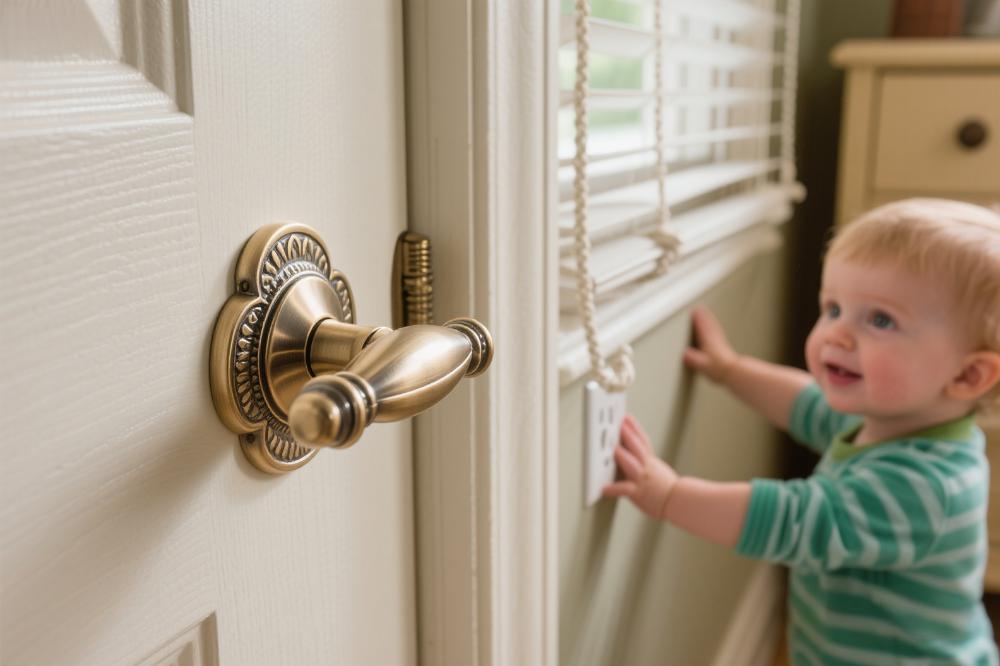
You've anchored the furniture and picked safe handles, but the bedroom can still hold hidden dangers. From window blind cords to electrical outlets, a child’s curiosity can lead them to unexpected trouble.
To keep a child safe, you must think like them. Anchor all heavy furniture, cover outlets, secure blind cords out of reach, and regularly check that all hardware screws are tight and secure.
Dive Deeper: A Bedroom Safety Checklist
Over our 15+ years in business, we've learned that hardware is just one piece of the puzzle. Our clients, who build and sell furniture, need to consider the entire environment. Here is a simple checklist I share with them to help their customers.
Key Safety Zones
- Furniture Stability:
- Use anti-tip kits to anchor all dressers, bookshelves, and changing tables to the wall. A surprising number of accidents happen from furniture falling over.
- Window Safety:
- Keep cribs and beds away from windows.
- Use cord shorteners or cordless blinds to eliminate strangulation hazards.
- Install window guards on upper-floor windows.
- Electrical Hazards:
- Place plastic safety caps in all unused electrical outlets.
- Hardware Integrity:
- This is my area of expertise. I always tell parents to periodically check the screws on all handles and pulls. What starts as a minor wobble can become a part that falls off, creating a choking hazard. Our quality control focuses on secure fittings, but home use adds wear and tear.
How Do You Childproof a Toddler Bedroom?
Toddlers are explorers on a mission. Their newfound ability to walk, climb, and grab puts everything within their reach at risk, and them at risk from everything.
To childproof a toddler's room, get down on your hands and knees to see the world from their height. This helps you spot hazards you'd otherwise miss, like small objects or sharp furniture corners.
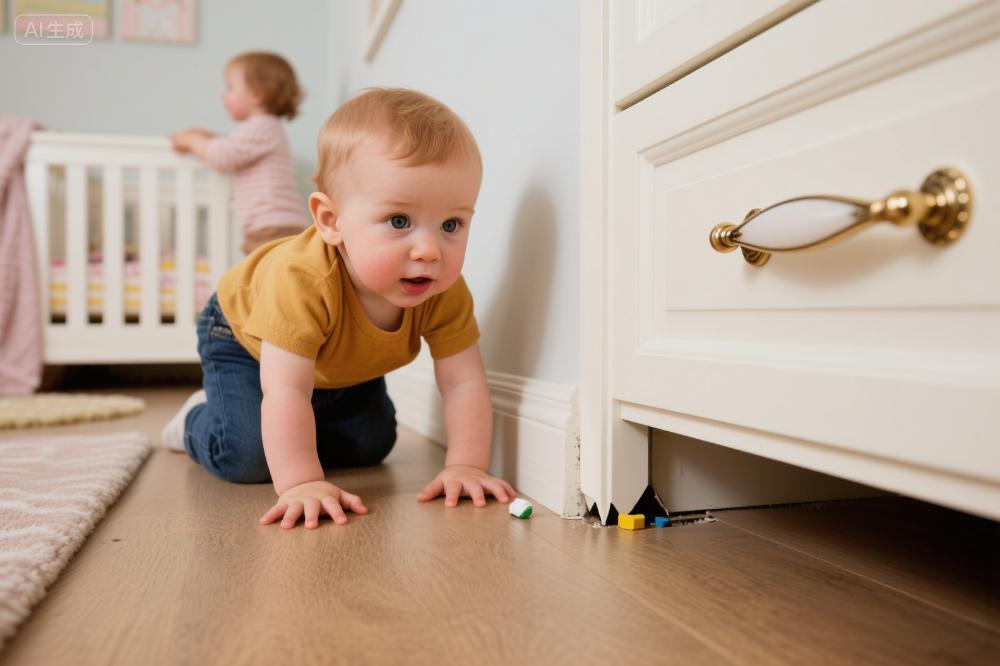
Dive Deeper: Thinking From a Toddler's Perspective
When we design hardware for children's furniture, we have to think about more than just opening a drawer. We consider the unique behaviors of toddlers.
First, toddlers love to climb. A protruding handle, especially a long bar pull, can look like the perfect foothold for climbing up a dresser. This is extremely dangerous. For this reason, we often recommend recessed pulls or very low-profile, rounded knobs for toddler furniture. It removes the temptation and the foothold.
Second, toddlers explore with their mouths. I once worked with a client who manufactured furniture for kindergartens, and their primary concern was material safety. This reinforced our own policy. All our finishes are non-toxic and durable. A handle with flaking paint or small decorative pieces that could break off is a serious choking risk. A simple, solid piece of metal or wood is always the safer choice. We focus on designs that are one solid piece to eliminate the risk of small parts coming loose over time.
How Do You Prevent a Child from Unlocking a Door?
A child learning to work a lock can be a scary milestone. They might lock themselves in a bathroom or, even worse, unlock the front door and wander outside.
To prevent a child from unlocking a door, install a lock that is out of their reach. This can be a high-mounted slide bolt or chain lock. For interior doors, consider reversing the lock.
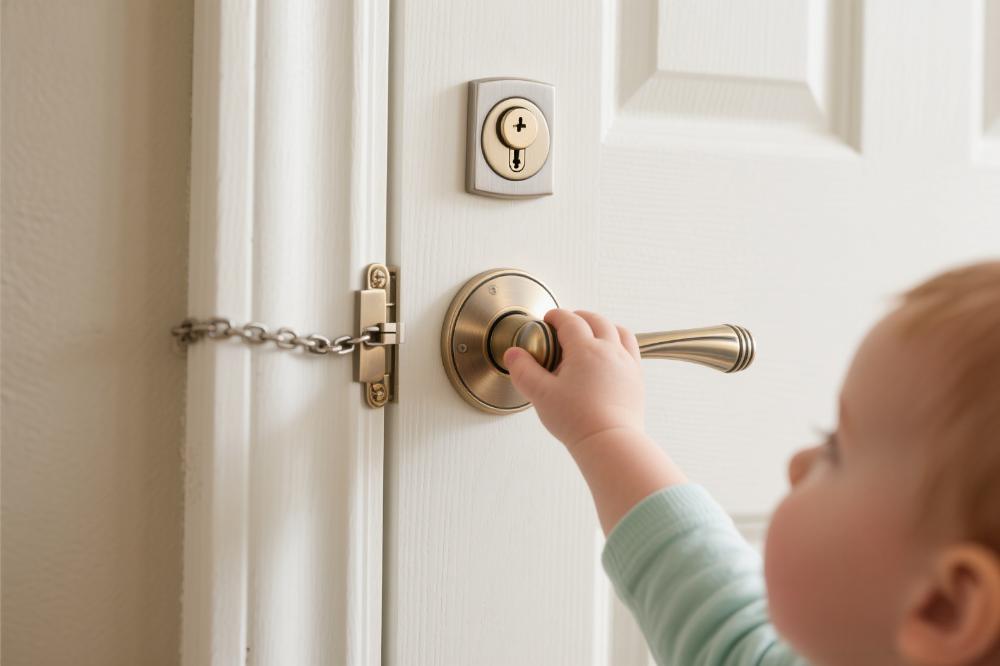
Dive Deeper: Securing the Lock Itself
While we focus on cabinet and furniture hardware, the principles of access control are universal. Preventing unwanted openings is crucial everywhere in a home with kids. Different situations call for different solutions.
Locking Down Door Safety
- For Exterior Doors: A deadbolt cover is a great option. It's a plastic shield that makes it hard for little hands to turn the thumb-turn. Another simple solution is a slide bolt or chain lock installed near the top of the door, well out of a child's reach.
- For Interior Doors (Bedrooms/Bathrooms): The biggest danger here is a child locking themselves in. I always advise customers to ensure these locks can be opened from the outside. Most privacy knobs have a small hole that can be unlocked with a pin or a special key. If you have a keyed lock, consider reversing it so the key is on the outside. This small change prevents a stressful lockout situation while still providing privacy when needed.
Understanding this entire safety ecosystem helps us design better products. A good cabinet latch should be secure, but not so complicated that it traps a child or their fingers.
Conclusion
Ultimately, creating a safe room for a child starts with the basics. Choosing rounded, smooth, and solidly-built furniture handles is the first and most effective step towards a worry-free environment.