What Do International Buyers Care Most About When Purchasing Hardware Furniture Handles?
International buyers need solutions, not just products. Their first worry is whether a handle will last and fit their local needs. Each order is about real-world use, not just price.
Buyers want hardware handles that withstand local climates, last for years, match regional style trends, and deliver strong value—especially at bulk rates. The answer depends on real market demands.
When I work with buyers from different countries, their questions always go beyond the catalog. They want handles that stay strong in wet, cold, or humid climates. They need styles that suit local furniture. High durability and reliable cost are their next priorities. My own experience shows how details like coating methods matter just as much as material and price.
Can the product quality adapt to the climate conditions of the target market?
Weather extremes test every handle. A buyer knows: the wrong finish or material means returns, complaints, and wasted costs.
Hardware handle quality must match climate conditions. For cold regions, choose coatings resistant to low temperatures; for humid areas, pick corrosion-resistant finishes to prevent rust or peeling.
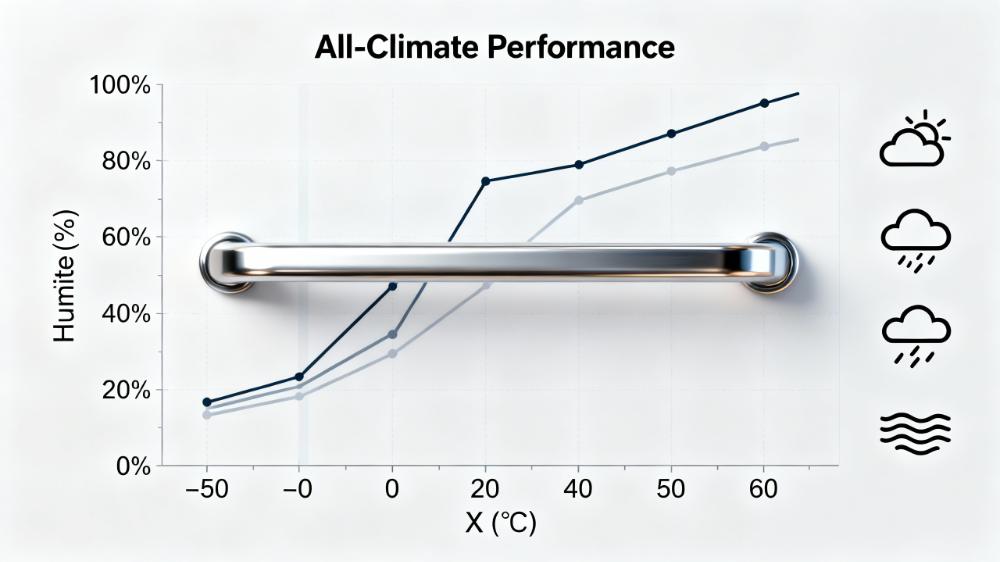
One winter, a customer in northern Europe reported paint coming off zinc alloy handles after just half a year. Standard coating failed in the cold. Since then, I use low-temperature electrostatic spraying for cold climates. In humid markets, I select PVD plating for water resistance. Each climate needs its own solution. I always ask where the handles will live, and adapt finishing to match. The right coating makes all the difference in buyer satisfaction and repeat orders.
| Climate | Common Issues | Solutions |
|---|---|---|
| Cold, dry | Brittle, peeling | Low-temp resistant coatings |
| Humid, coastal | Rust, tarnish | PVD, corrosion-proof plating |
| Hot, arid | Fading, cracking | UV-resistant finishes |
Adapt both material and coating so the handle works where buyers need it most.
What is the service life of handles made of different materials (zinc alloy, aluminum alloy)?
Service life is a deal-breaker. Buyers want clear facts on how long handles last for different materials before committing to bulk orders.
Zinc alloy handles last 8–10 years under normal use. With heavy cabinet use, expect 6–8 years. Aluminum alloy handles are lighter, resist corrosion better, and usually last 2–3 years longer.
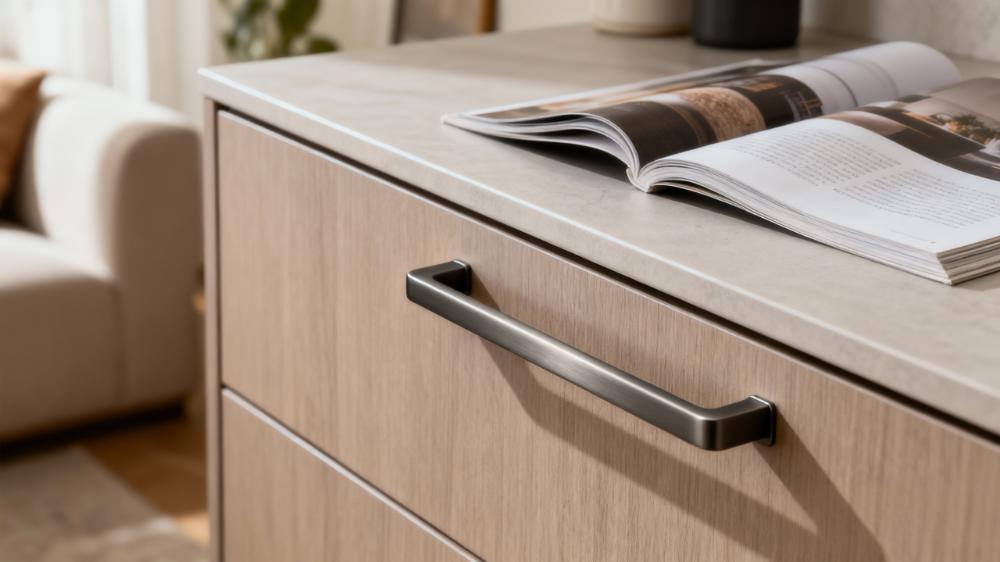
After buyers asked for test reports, I started running every batch through durability checks. Zinc alloy stands firm in average homes, but anywhere handles fly open and shut all day, lifespan drops. Aluminum alloy, while lighter, outlasts zinc in damp spaces—great for kitchens or baths. I always list exact lifespans in quotes, helping buyers pick handle material that suits cabinet use or environment. Fast answers build trust.
| Material | Service Life (Normal) | Frequent Use | Corrosion Resistance |
|---|---|---|---|
| Zinc Alloy | 8–10 years | 6–8 years | Medium |
| Aluminum Alloy | 10–13 years | 8–10 years | High |
Tell buyers how each material performs—not just now, but years down the road.
Do the existing styles conform to the furniture style preferences of the target market?
Buyers spend time on style—because a handle that looks out of place will not sell, no matter how tough or cheap.
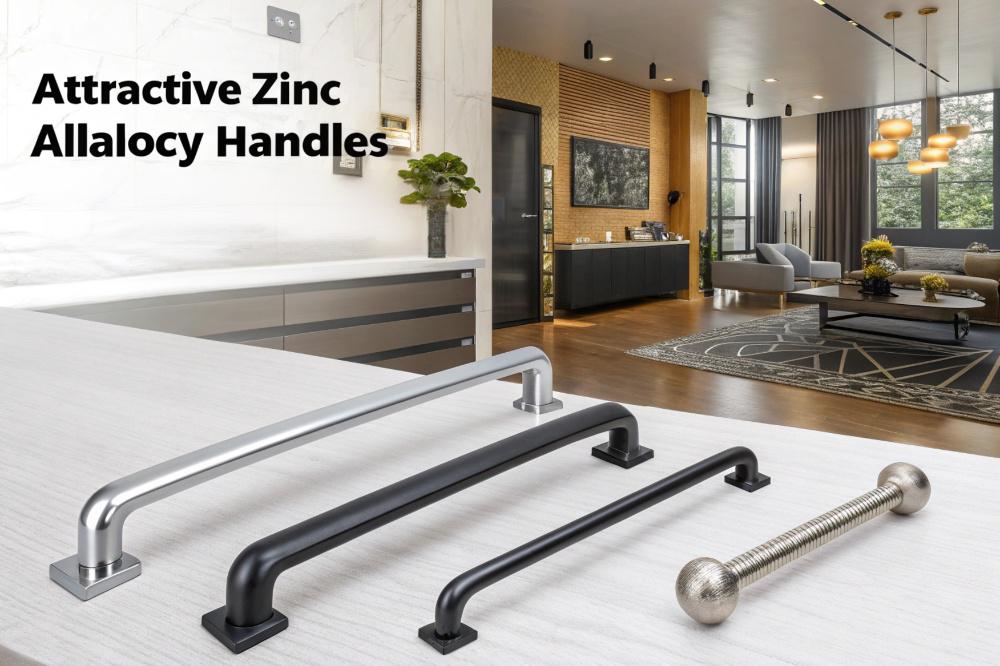
Existing handle styles must match the furniture preferences of the target market. Modern minimalist markets prefer sleek aluminum handles; luxury markets enjoy carved zinc alloy designs with retro or grand details.
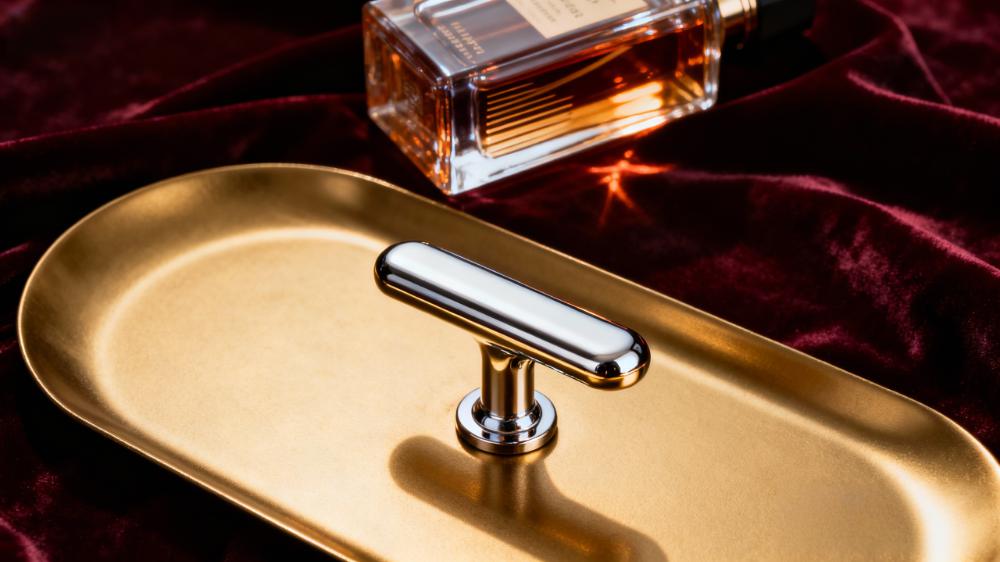
I regularly research local exhibition trends. Where modern design rules, long aluminum handles with soft lines sell fast. In traditional or high-end markets, buyers want carved, gold or bronze zinc handles. I update catalogues to fit these trends, even custom-tailor designs for big orders. Staying in tune with local taste wins loyalty and sales. Flexibility isn’t extra—it’s essential to keep up in export furniture hardware.
| Market Region | Style Preference | Popular Handle Type |
|---|---|---|
| Northern Europe | Simple, minimalist | Aluminum, matte lines |
| High-End/Retro | Grand, carved | Zinc alloy, antique |
| Modern Global | Smooth, long | Aluminum, brushed, slim |
Showing new styles and matching local fashion keeps buyers coming back.
How competitive is the product price in the target market? Is there a discount for bulk purchases?
Price matters—a lot. Even the best handle won’t win if it is overpriced or lacks bulk incentives.
Product price must be competitive and offer bulk discounts. Buyers expect fair rates, stepped discounts for larger orders, and quality that exceeds cheaper products in the market.
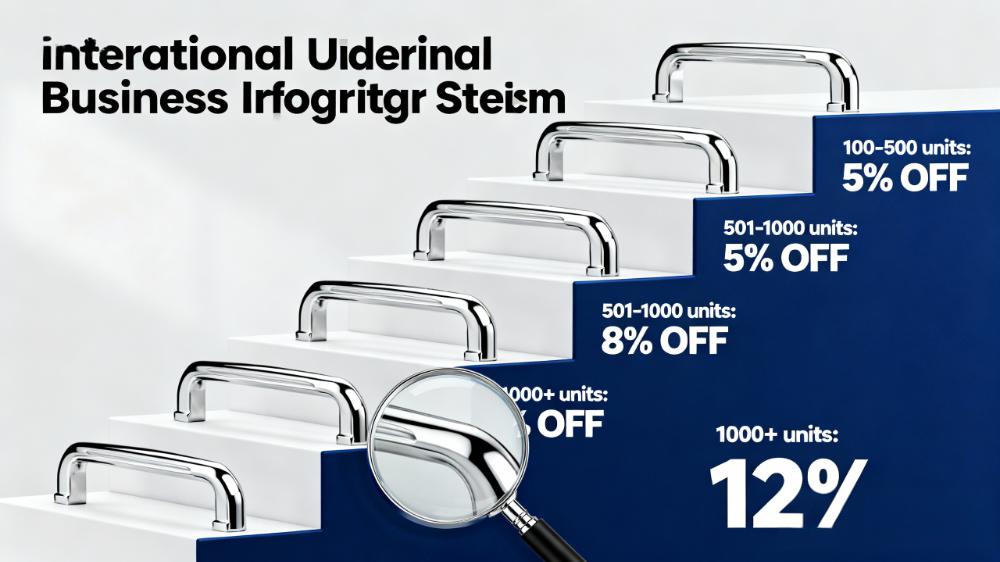
My own method is simple: cut waste and buy raw materials in bulk to lower costs. I keep prices upper-middle—higher than basic imports, less than overpriced competitors, with better quality. For bulk orders, I offer discounts from 2,000 pieces and step them up for big manufacturers. Buyers get quotes with clear discount brackets, so they see real cost savings. This strategy attracts medium and large clients—it’s not just about lowest price, but real value for money.
| Purchase Quantity | Price Level | Discount Rate |
|---|---|---|
| 500–2,000 | Standard | Nil/Low |
| 2,001–10,000 | Upper-Middle | 5–8% off |
| 10,001+ | Best/Wholesale | 10–15% off |
Good value means both fair cost and strong, lasting handles.
Conclusion
International buyers focus on climate adaptation, handle lifespan, style match, and competitive pricing with bulk discounts to ensure hardware handles fit local needs and sales goals.