Single or double-hole for 50cm deep drawer?
Drawer handles do more than look good—they decide how sturdy, safe, and easy the drawer is to use. Picking the wrong type can lead to wobbly panels or loose screws over time.
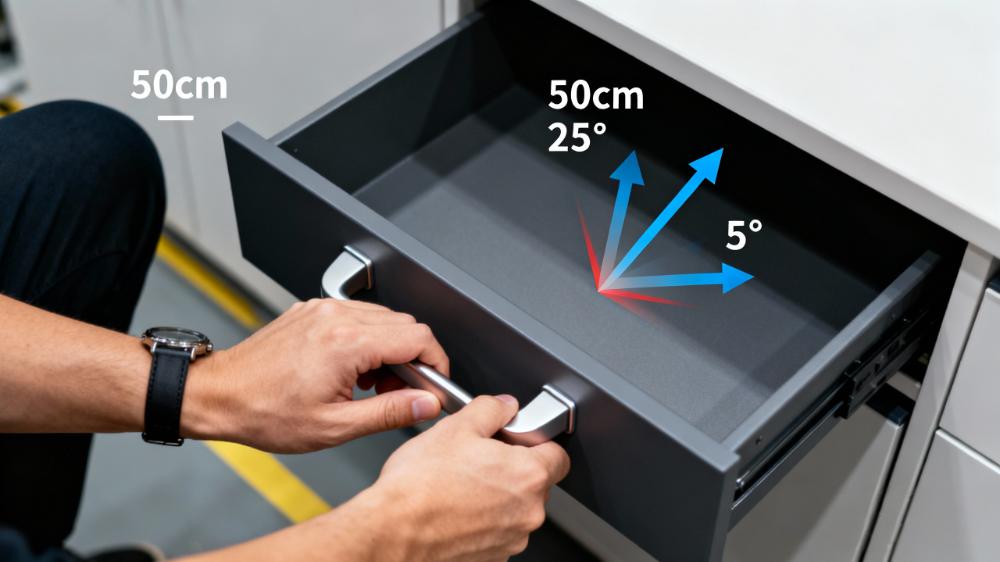
For a 50cm deep drawer, use a single-hole pull for light, often-used drawers and a double-hole pull for heavier or big-load storage. Choose based on the drawer’s contents, thickness, and room style for best performance.
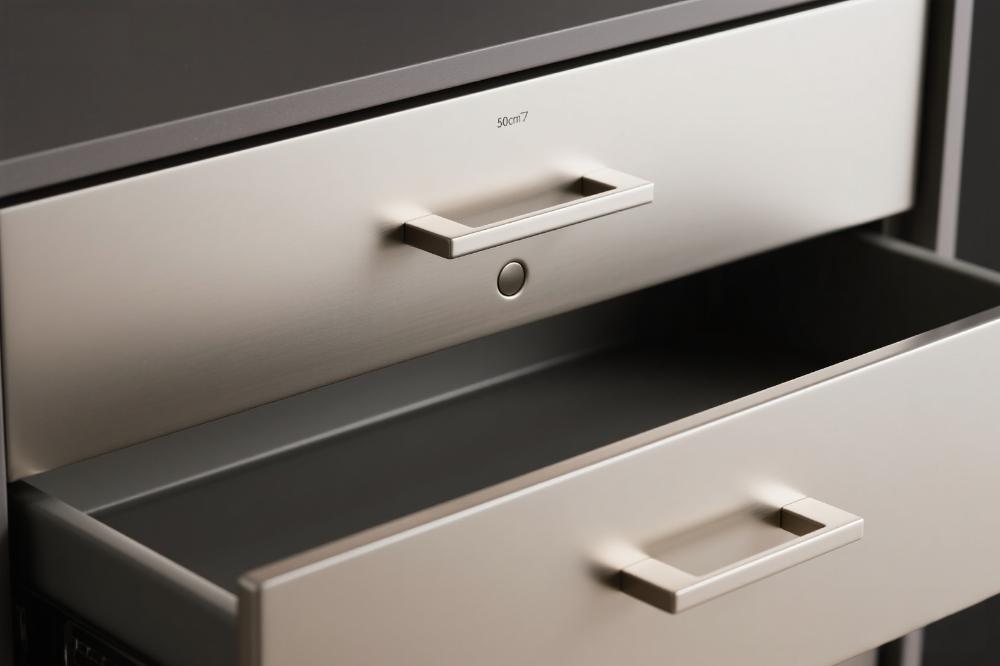
I always look at what goes inside the drawer first. Fifty centimeters is deep. If you fill it with socks and shirts, a single knob works well. If you load it up with cookware, choose a handle with two attachment points so force spreads out. It is about making daily use simple, safe, and reliable.
Should I use 1 or 2 pulls on a 30 inch drawer?
The answer depends on what you store and how heavy the drawer gets. Both single and double pulls can work if matched to the drawer’s real needs.
Use one pull if the drawer holds light items or opens and closes often (like for stationery or underwear). Use two pulls for heavy items—this prevents screws from loosening and keeps the panel from bending or cracking.
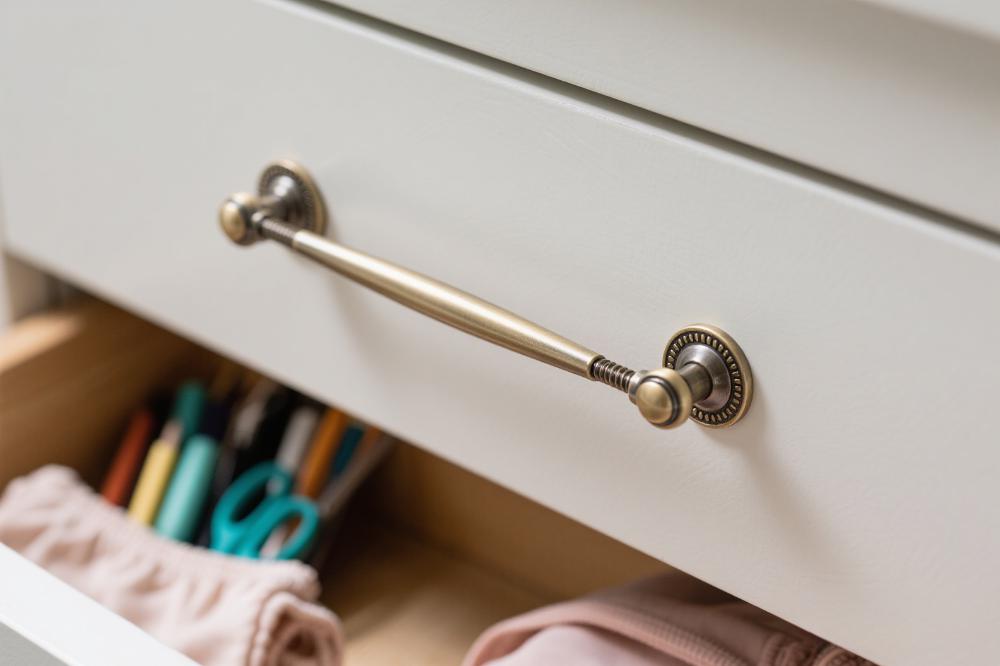
A 30-inch (about 76cm) drawer can be wide and deep. I recommend a double-hole handle if you keep heavy things like pots, pantry goods, or tools inside. This spreads pulling force across two screw points, making the drawer last longer. For light use or simple, modern styles, a single central pull is fine as long as you do not overload the drawer.
| Drawer type | Item Weight | Pull type | Why |
|---|---|---|---|
| Light-use | <8kg | Single-hole | Simple, quick, easy to install |
| Heavy-use | ≥10kg | Double-hole | Stable, durable, less strain |
| Thick panel | - | Double-hole | Supports screw strength |
| Thin/small panel | - | Single-hole | Less risk of cracking |
Small mistakes in pull choice show up after months of daily use.
What is the 1/3 rule for drawer pulls?
This rule is a simple guide for handle length—keeping the pull in balance with the drawer face for looks and use.
The 1/3 rule says that a drawer pull should not be longer than one-third the width of the drawer. This keeps the handle looking right and stops it from sticking out or feeling clumsy.
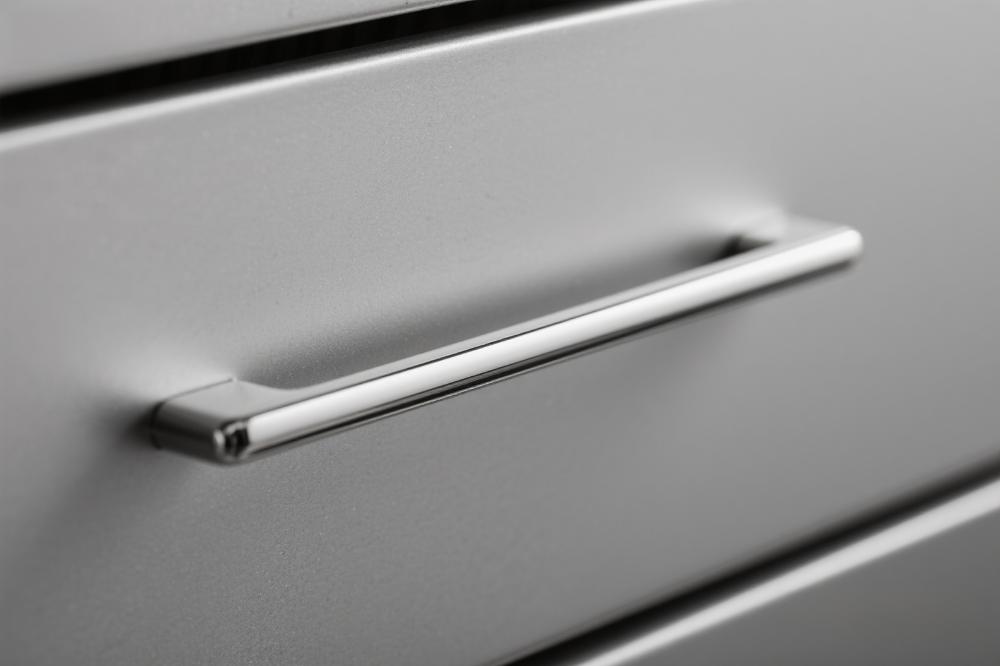
In my projects, using the 1/3 rule means a 50cm wide drawer gets a pull about 16cm (160mm) long or less. Going longer throws off the look and makes it awkward to open. Too short, and it feels hard to grab. For most medium or deep drawers, I pick pulls between 96mm and 160mm in length, using standard hole centers (like 64mm, 96mm, 128mm) for easy replacement and smooth lines. The 1/3 rule also gives some freedom—shorter for slim drawers, longer for tall, heavy ones.
| Drawer Width | Max Pull Length (1/3) | Good Range (industry standard) |
|---|---|---|
| 300mm | 100mm | 80–96mm |
| 500mm | 166mm | 96–160mm |
| 600mm | 200mm | 128–180mm |
Balanced pulls look right, work better, and blend with all hardware in the room.
What is a good depth for a drawer?
Drawer depth decides storage, reach, and handle type. Too deep, and you lose small things; too shallow, and you lack space. The best standard drawer depth is between 30 and 60cm. For most uses, 45–50cm allows enough room for clothes, dishes, or tools without making items hard to grab.
I recommend about 50cm for busy family kitchens or wardrobes. You can easily store medium-weight stuff—shirts, linens, bowls. Handles for these drawers should match depth; deeper drawers, especially those holding heavier things, need double-hole pulls to spread weight and keep daily usage simple.
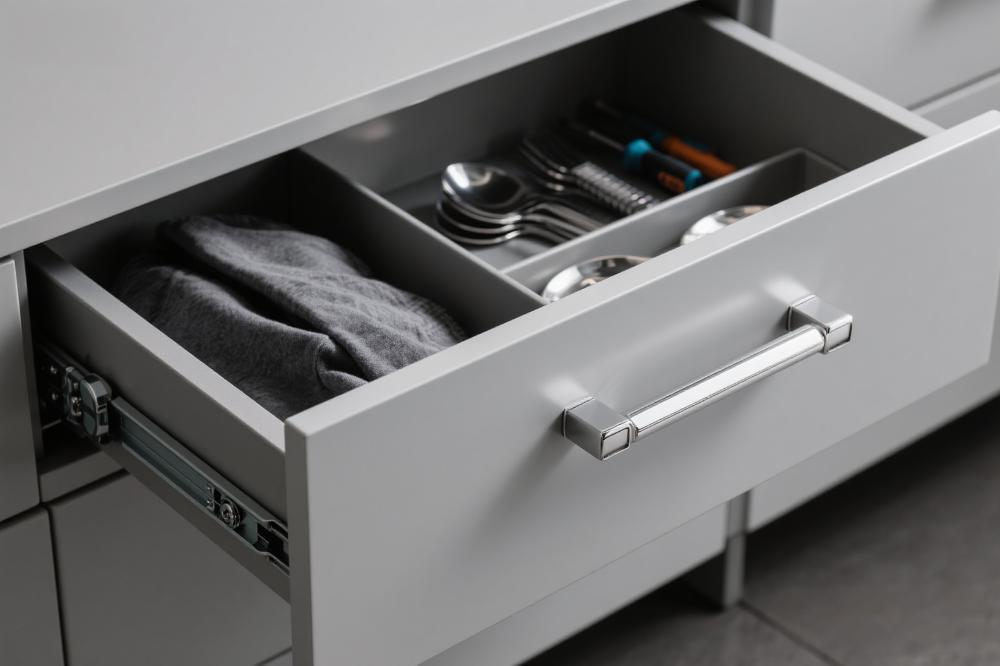
Short drawers (under 30cm) work well with single-hole or knob pulls for less wear. Balance depth with overall furniture size to make movement smooth each time you reach in for something.
Match depth with pull strength for lasting use and comfort.
What is the standard depth of a drawer pull?
Pull "depth" means how far the handle sticks out. This changes both grip and appearance. Shallow pulls are hard to grip, deep pulls catch pockets or hands.