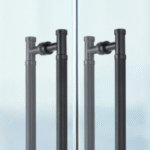
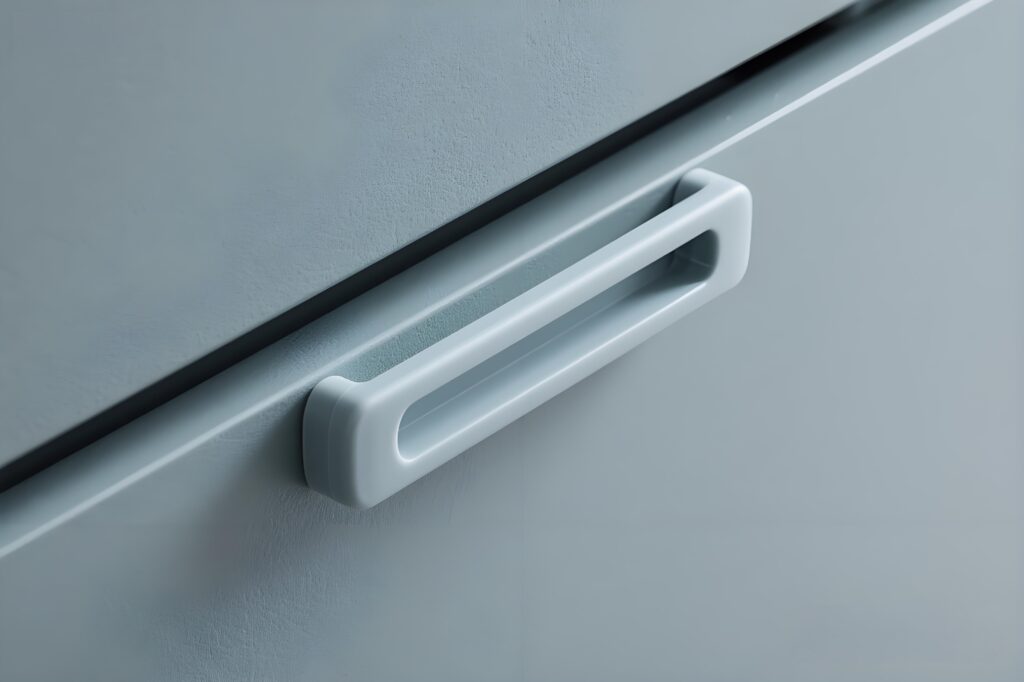
Pull the lever. Why are plastic options rarely chosen?
Plastic handles are not as popular as metal ones. Understanding why helps highlight key factors in consumer choices and market trends.
Plastic options are rarely chosen for handles due to durability issues and evolving consumer preferences for more luxurious, lasting materials.
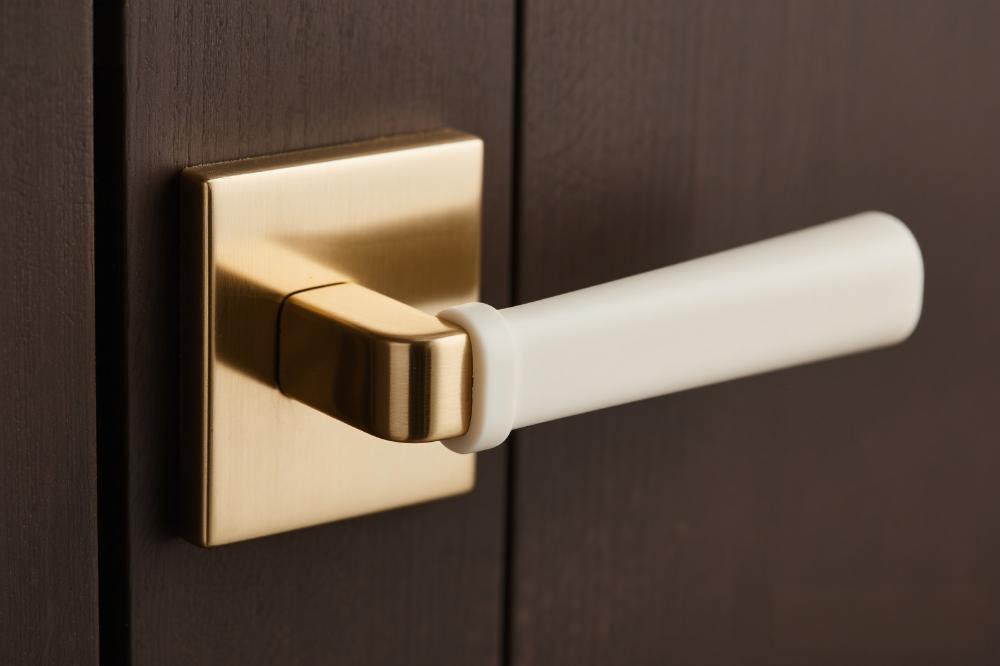
My experience shows plastics age poorly in high-temperature kitchens or wet bathrooms, prone to cracking or molding. Metal alternatives like aluminum and stainless steel excel in such environments, lasting up to five times longer. Customers often report reduced complaints upon switching to metal, highlighting why these are preferred.
Why are some types of plastic rarely recycled?
Recycling challenges arise from differences in plastic composition; understanding these issues explains their limited reuse.
Some types of plastic are rarely recycled because they consist of mixed polymers, which complicate the recycling process due to separation difficulties.
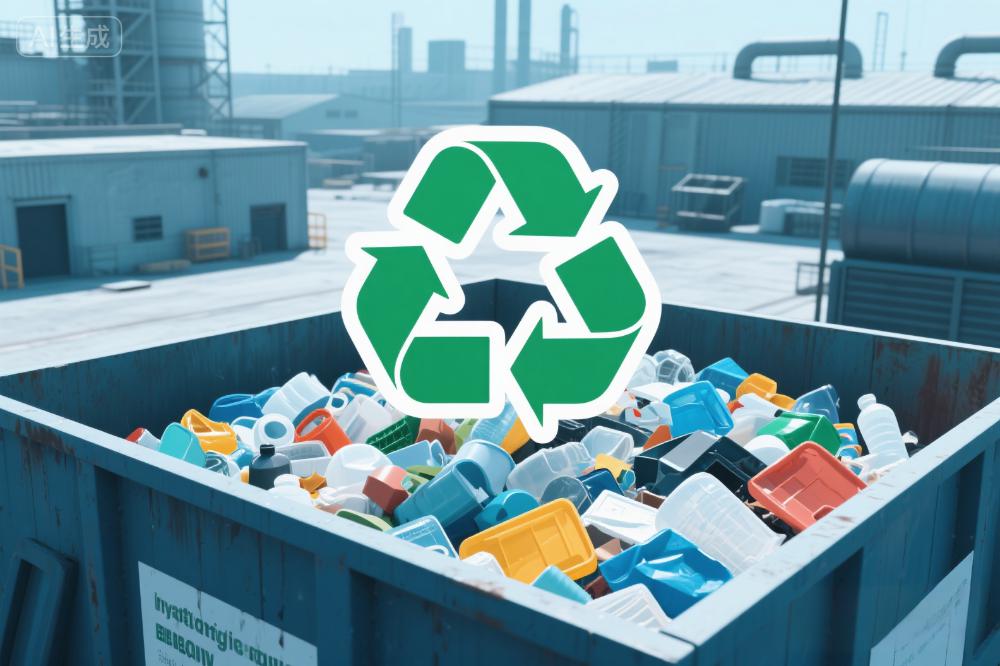
Plastic's recyclability is hindered by mixed polymer types, making separation costly and inefficient. Recycling facilities struggle with identification, resulting in many plastics being discarded rather than reused. This complexity deters widespread recycling, contributing to higher waste levels.
| Material | Recycling Ease | Challenges |
|---|---|---|
| Pure Polymers | Moderate | Easier Separation |
| Mixed Polymers | Low | Costly Sorting |
Why do you think plastic became the go-to option?
Plastic's rise came from practical advantages, filling gaps left by traditional materials in various industries.
Plastic became popular due to its low cost, versatility, and ease of use, initially attracting manufacturers and consumers seeking affordability and adaptability.
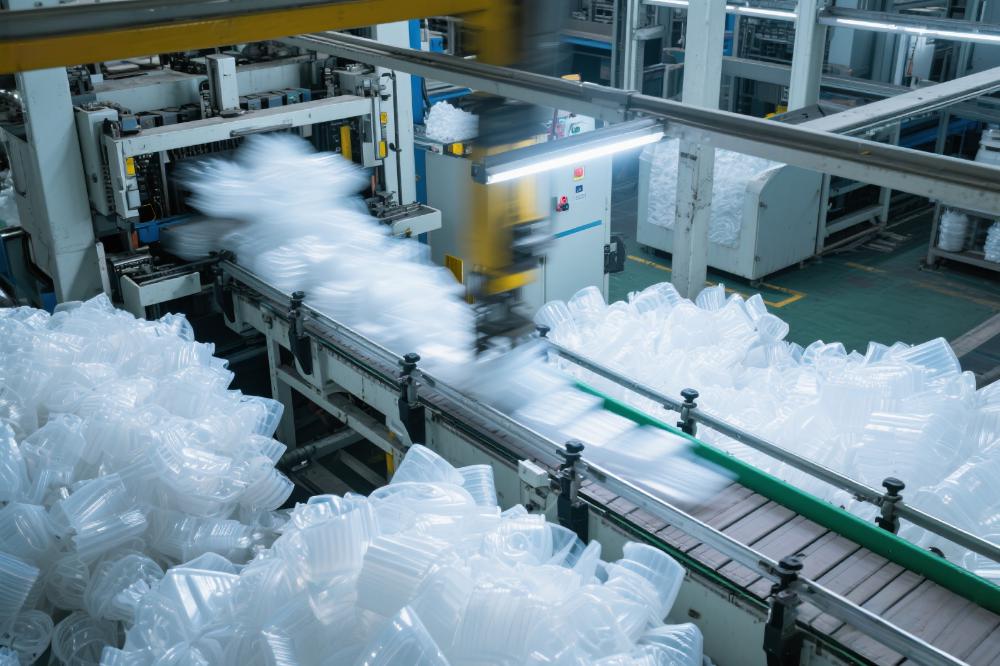
Historically, plastic's affordability and flexibility made it appealing. It offered a lightweight alternative to heavier materials, allowing rapid production across sectors. Despite its current decline in these markets, plastic carved a niche by delivering practical solutions at lower prices during its peak demand.
| Feature | Initial Appeal | Current Challenges |
|---|---|---|
| Affordability | High | Perceived as cheap |
| Versatility | High | Durability concerns |
Why are plastic recyclers very concerned about identifying the different polymers and not mixing them together?
Proper identification ensures effective recycling, crucial for environmental and economic reasons.
Plastic recyclers focus on polymer identification because mixing polymers diminishes the quality of recycled material, hindering effective reuse.
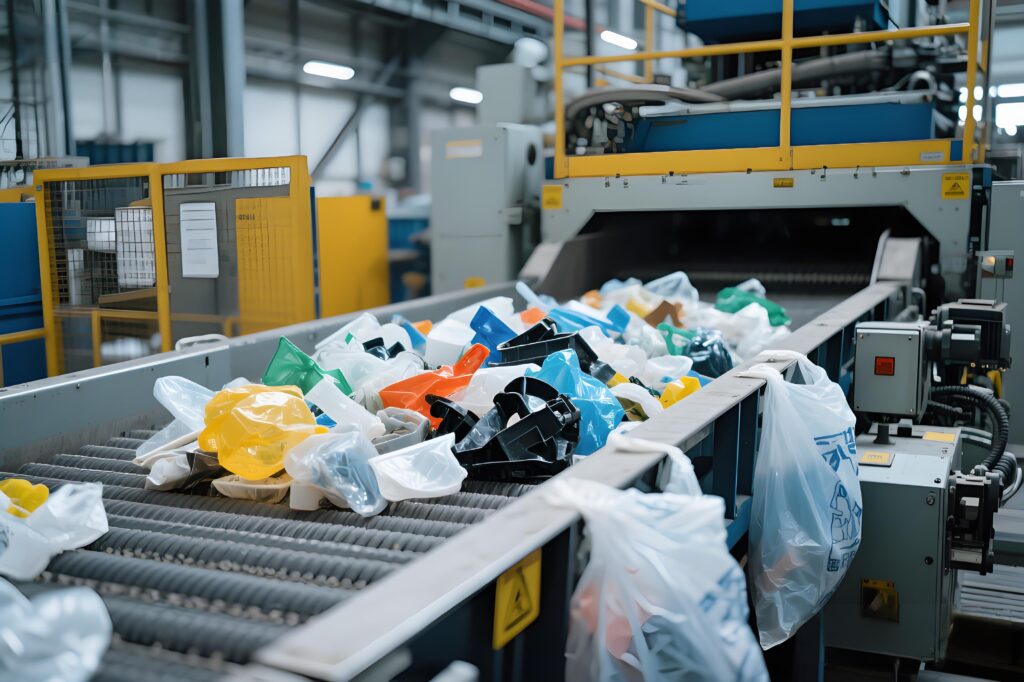
Recyclers prioritize sorting to maintain material integrity. Mixed polymers result in lower-quality recycled products, often unsuitable for customer needs. Precision in identification protects investments and supports sustainability efforts, emphasizing dedicated processing over general sorting practices.
| Concern | Impact | Solution |
|---|---|---|
| Different Polymers | Reduced Quality | Improved Sorting |
| Mixing Problematics | Inefficient Recycling | Dedicated Processes |
Why plastic is a good choice for these purposes?
Despite its challenges, plastic serves specific functions; uncovering these benefits reveals its value in targeted applications.
Plastic remains a good choice for lightweight, cost-effective solutions in products where less durability is required, such as temporary fixtures or specific consumer goods.
Certain industries benefit from plastic's properties. For lightweight goods or disposable items, plastic's low cost and moldability are advantageous. When durability isn't the primary concern, its attributes present viable options for targeted roles, ensuring practicality in specified segments.
| Application | Benefits | Limitations |
|---|---|---|
| Lightweight Goods | Cost-effective | Short lifespan |
| Disposable Items | Easy manufacturing | Environmental impacts |
Conclusion
Plastic handles face declining popularity due to durability concerns and evolving consumer preferences for lasting, quality materials, despite their initial cost advantage.