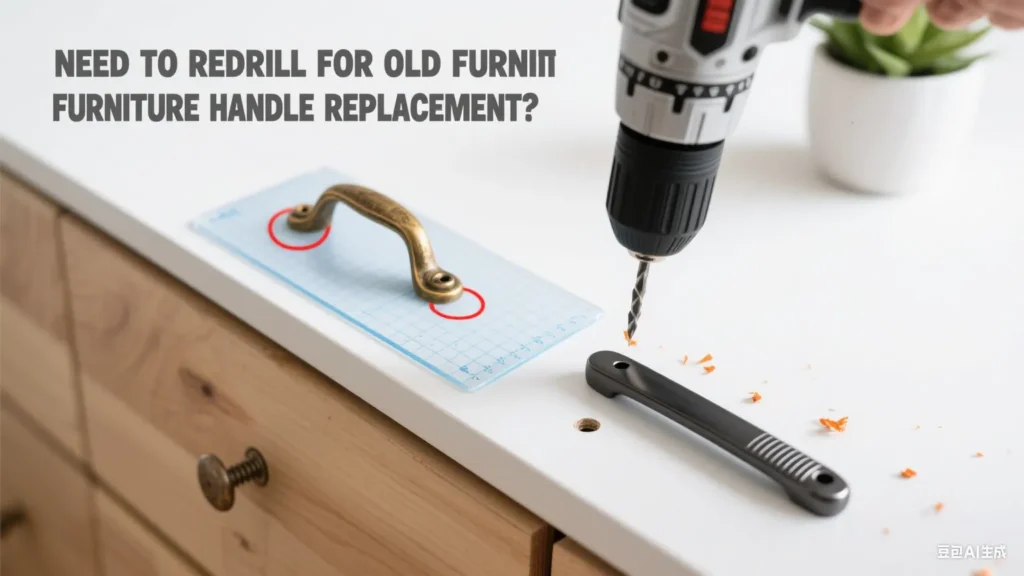
Need to redrill for old furniture handle replacement?
Replacing old handles can be tricky, especially if hole sizes don’t match. Avoid surprises by knowing when to redrill.
If new handle hole spacing matches old, no drilling is needed. If different, careful redrilling with accurate measuring is essential to avoid damage.
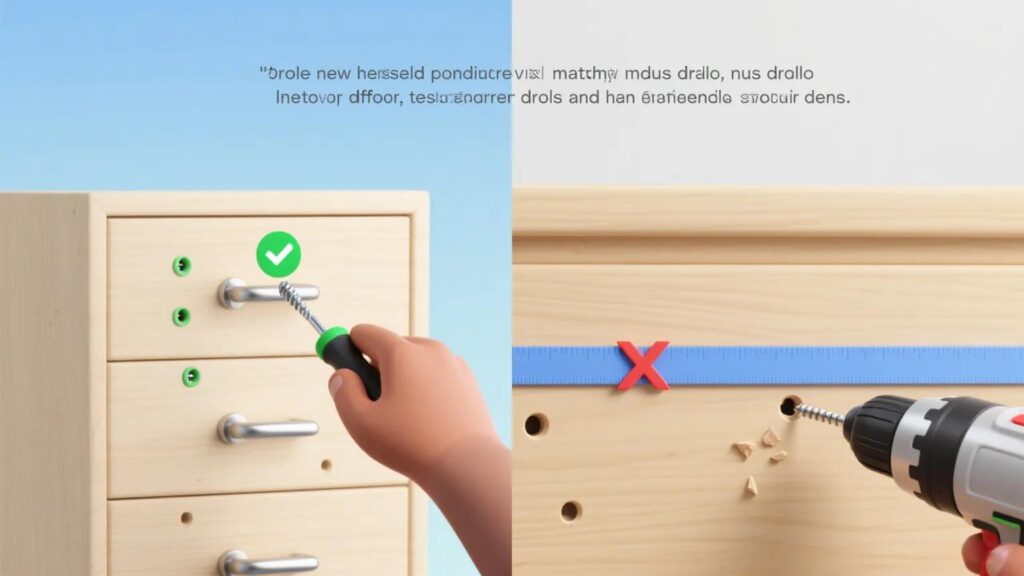
Changing furniture handles may require redrilling holes if the new handles don’t fit existing holes. Improper drilling risks cracks or misaligned holes. Let’s explore how to drill holes for dresser handles, the “1 3 rule” for cabinet handles, drill bit sizes to use, and if it’s easy to replace dresser handles.
How to drill holes for dresser handles?
Drilling holes needs precision and care to protect furniture and fit handles perfectly.
Measure twice, drill once: mark hole positions carefully, use the right drill bit size, and drill slowly to avoid cracking or splitting wood.
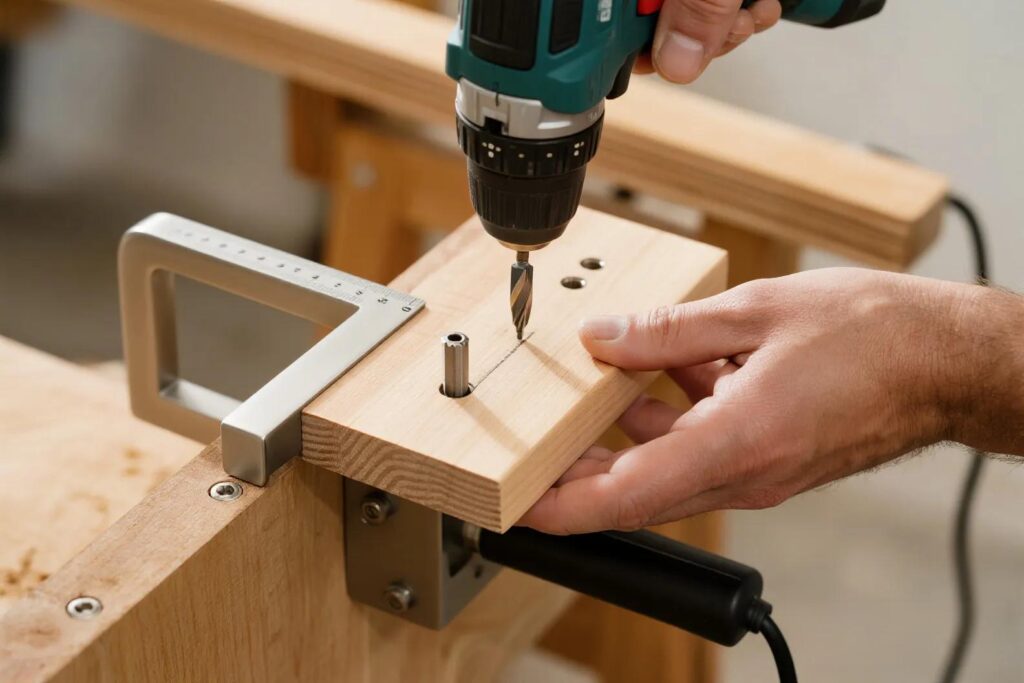
Steps for drilling dresser handle holes:
- Remove old handles and measure old holes precisely.
- If new handle holes differ, mark new spots using a ruler and pencil.
- Use a woodworking clamp or tape to prevent wood splitting.
- Choose a drill bit matching screw diameter (usually 3-5mm).
- Drill straight and slowly from the front side to avoid chip-out.
- Sand around holes gently if rough.
- Test fit the new handle before final screw installation.
Proper drilling protects both the dresser finish and handles.
What is the 1 3 rule for cabinet handles?
This rule helps place handles at comfortable and consistent positions.
The 1/3 rule places cabinet handles about one-third along the edge of the drawer or door for balanced grip and aesthetics.
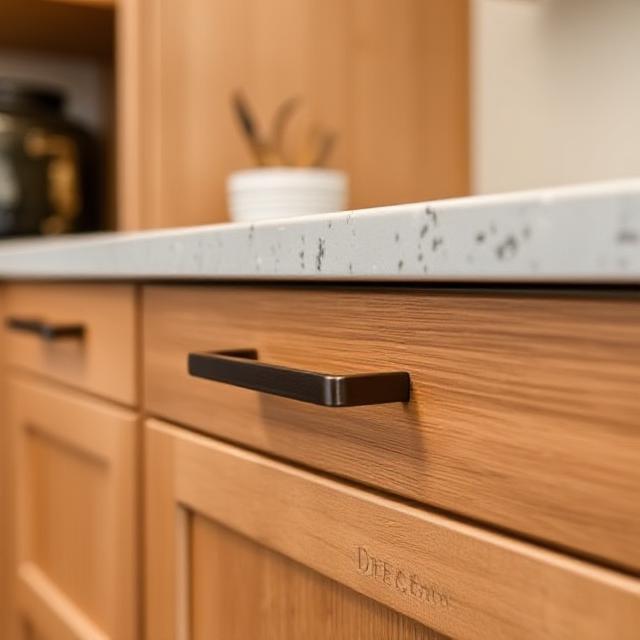
Instead of centering handles exactly, setting them near one third of the width or height of the drawer front makes opening easier and looks tidy. For drawers, handles often go 1/3 down from the top edge. For doors, 1/3 in from the side edge is common.
Using this guideline keeps handle placement consistent across furniture pieces and improves usability.
| Furniture Part | Handle Position |
|---|---|
| Drawer front | 1/3 down from top edge |
| Cabinet door | 1/3 in from side edge |
This simple formula guides handle installation beautifully.
What size drill bit do you use for cabinet handles?
Choosing the right drill bit size matters for secure handle fixing.
Use a drill bit roughly matching the screw diameter of your handles, typically 3-5mm.
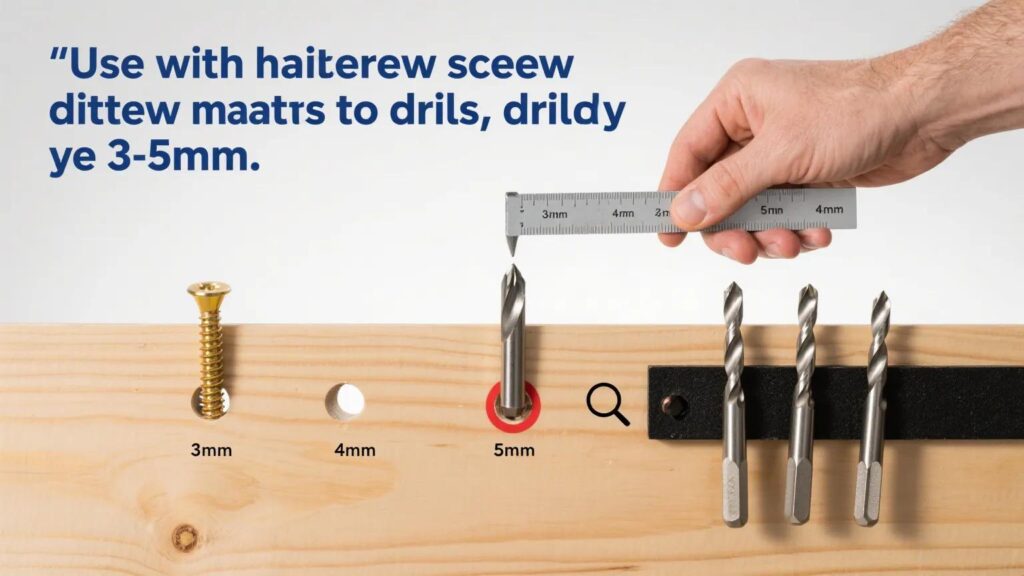
Cabinet handle screws usually come with a known diameter (e.g., M3 or M4 screws). Match your drill bit size to that measurement for tight fit without cracking wood. Using a drill guide or smaller pilot hole before final hole can avoid mistakes.
Tips:
| Screw Size | Drill Bit Size Recommended |
|---|---|
| M3 screw | 3mm drill bit |
| M4 screw | 4mm drill bit |
Always confirm screw details before drilling.
Is it easy to replace dresser handles?
Handle replacement can be simple if holes align but tricky if not.
Replacing dresser handles is easy when new handles fit existing holes; otherwise, drilling new holes and fixing old ones adds difficulty.
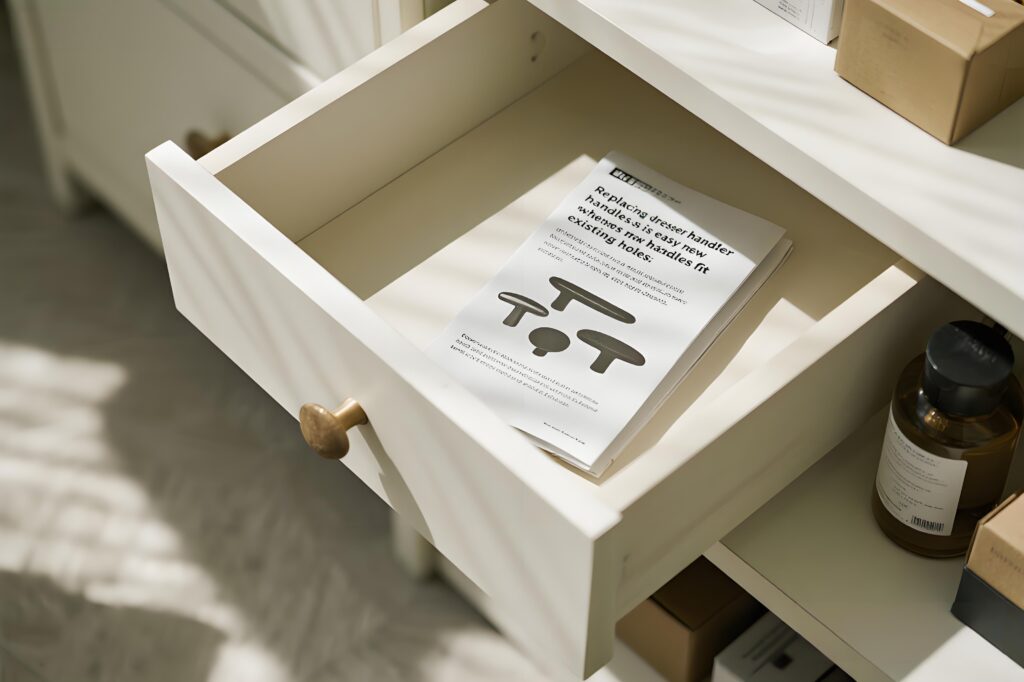
If new handles match old hole distances and diameters, just unscrew old handles and attach new ones. This usually takes a few minutes.
Difficulties arise when new handles differ in size:
- Precise measuring needed for new holes to avoid offset or crooked handles.
- Drill carefully to prevent wood damage or split edges, especially with solid wood or veneer.
- Old mismatched holes require filling with wood plugs or filler before repainting or refinishing, which adds time and cost.
Patience and proper tools are key for neat results.
Conclusion
You don’t always need to redrill. If handle holes match, replacement is easy. Different hole sizes require precise measuring and cautious drilling to avoid damage and ugly repairs.