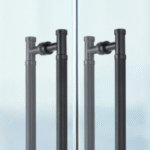
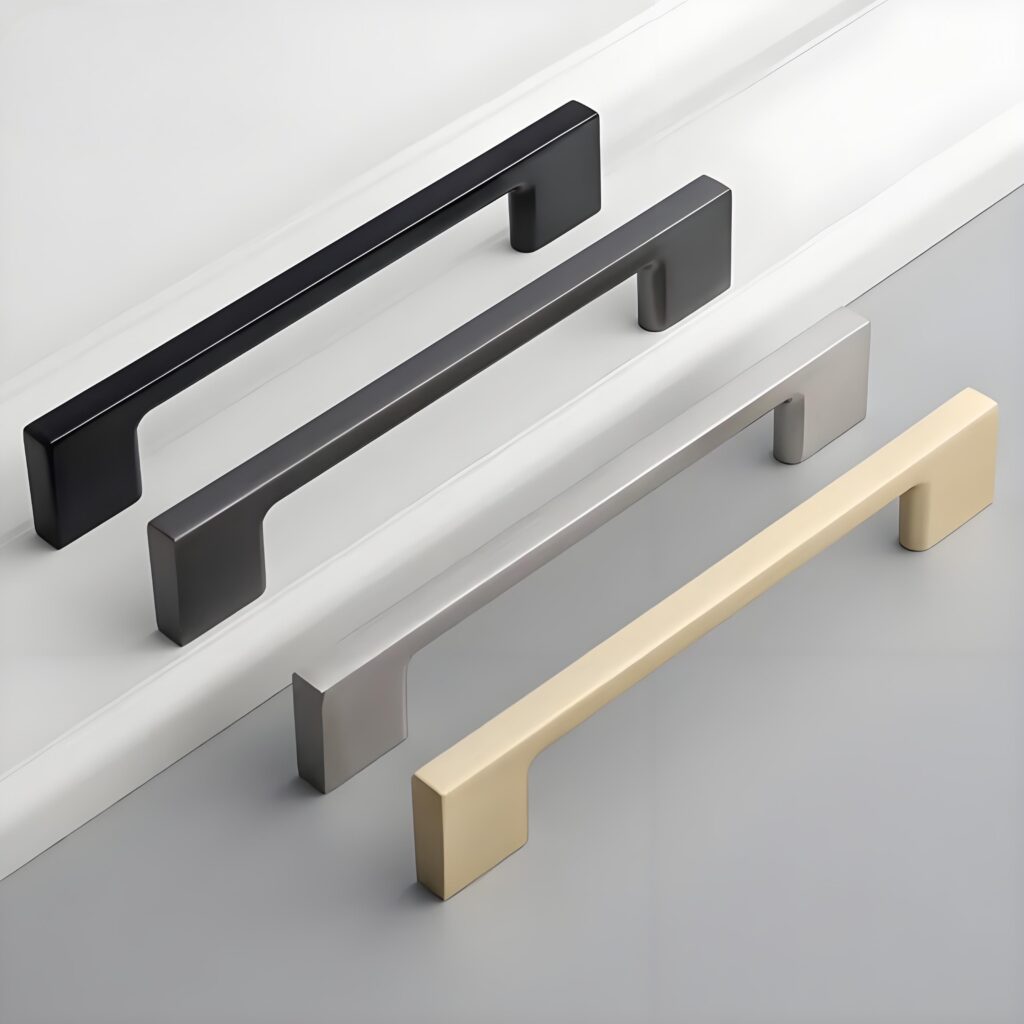
Is the surface of aluminum alloy handles prone to oxidation and discoloration?
Aluminum alloy handles do oxidize over time, but premium quality slows this down dramatically. The difference isn't just visible—it's felt in long-term satisfaction and fewer customer complaints.
While all aluminum alloy handles oxidize eventually, high-quality ones with proper surface treatment resist discoloration much longer. Thick anodization or premium coatings can delay noticeable oxidation for years.
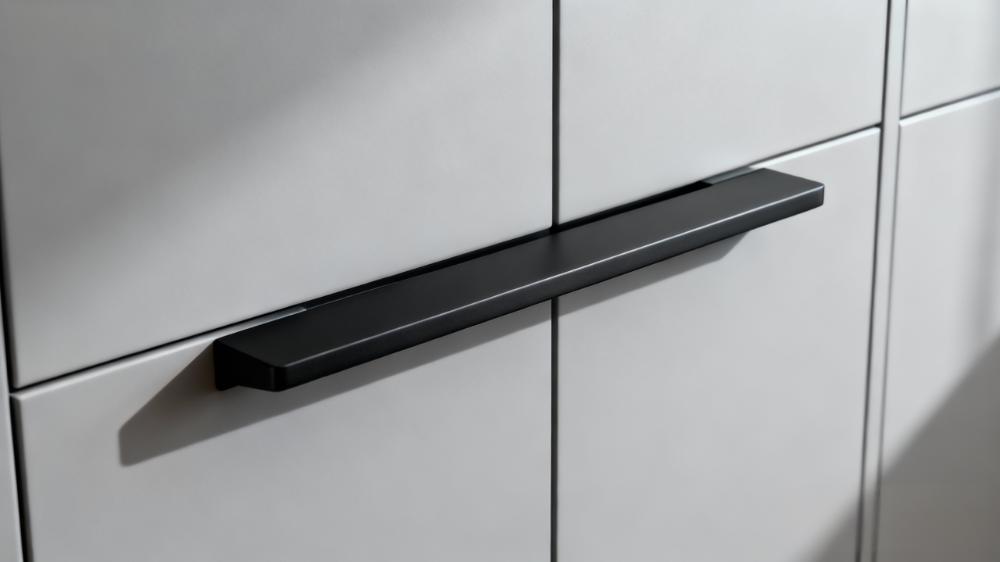
I proved this last year with a Malaysian client. His "cheaper" handles started oxidizing within two months while ours stayed pristine. The difference came down to three factors: purer aluminum material, thicker surface treatments, and stricter production standards—all worth the extra cost when handles stay bright longer.
What are the effective repair methods for aluminum alloy handle surfaces after oxidation and discoloration?
Don't toss oxidized handles—some simple fixes restore their shine. Immediate action prevents deeper damage.
Mild oxidation can be fixed with gentle polishing compounds or vinegar solutions, while tougher discoloration needs professional refinishing or complete recoating.
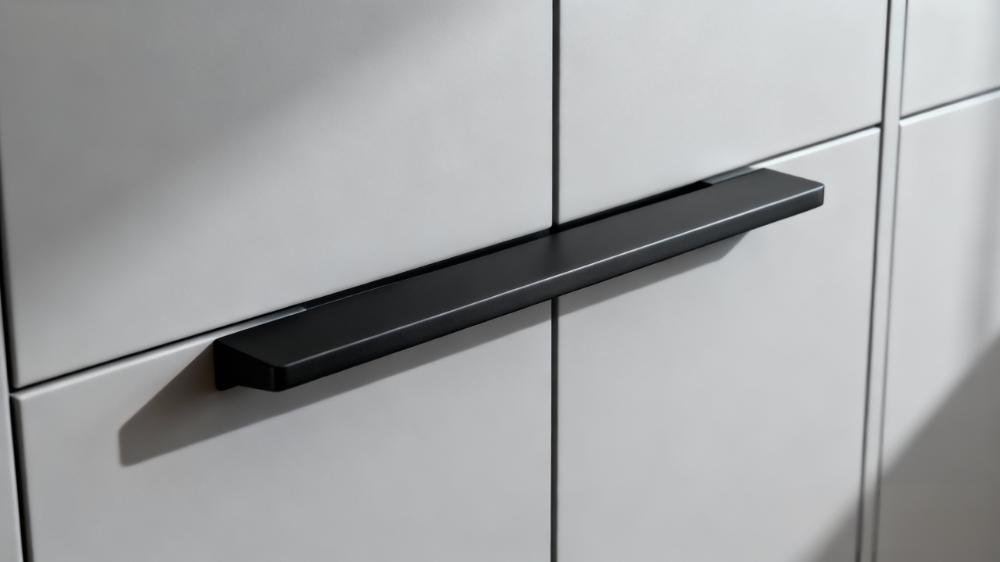
When my Malaysian client saw spots on old handles, I taught him these repair steps:
- Clean thoroughly with mild soap and water
- For light oxidation: use non-abrasive metal polish with microfiber cloth
- For stubborn spots: mix white vinegar and water (1:1), gently rub with soft brush
- Rinse and dry completely
- Apply quality wax or sealant
Damaged anodized layers require factory-level recoating. Sometimes replacing just the worst handles costs less than refinishing entire batches.
| Oxidation Level | Repair Method | Effectiveness |
|---|---|---|
| Surface clouding | Gentle polishing | Restores 90%+ shine |
| Mild discoloration | Vinegar solution | Removes 70-80% spots |
| Heavy oxidation | Professional refinishing | Like-new finish |
| Pitted/corroded | Replacement | Only solution |
Quick repairs work early; severe cases need professional help.
How to take preventive measures in advance to avoid oxidation and discoloration of aluminum alloy handles?
Prevention beats repair every time. Smart buyers focus on handles designed to resist oxidation from day one.
Prevent oxidation by choosing handles with thicker anodization (>12μm), pure aluminum bases (>95%), and protective sealants. Proper installation (avoiding moisture traps) also helps.
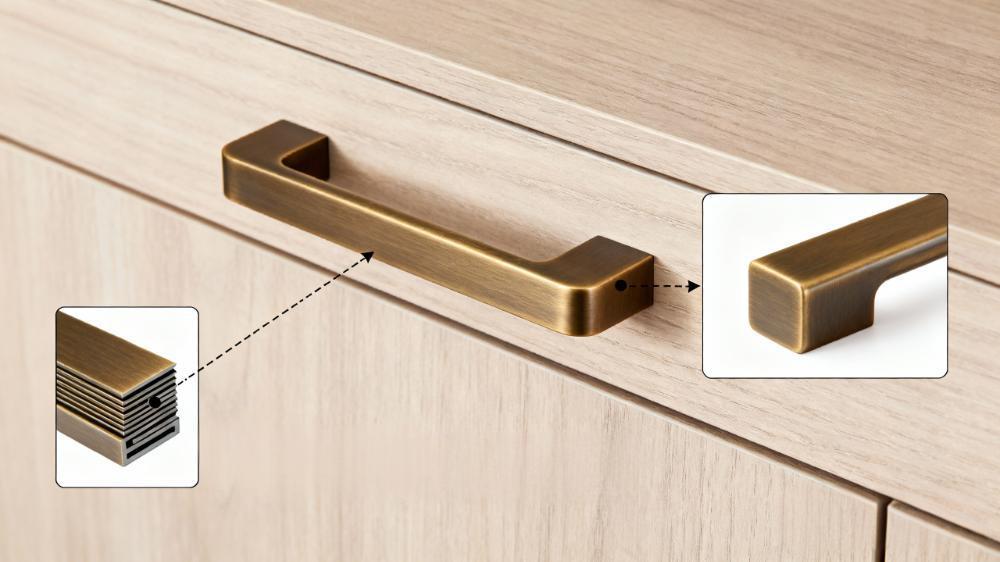
Our handles stay brighter longer because we:
- Use cleaner aluminum material (less copper/silicon impurity)
- Apply thicker anodic oxidation layers (12-25μm vs standard 5-10μm)
- Add supplemental sealants (heat-cured nano coatings)
- Engineer drainage gaps in mounting points
For humid areas like Malaysia, I recommend: ✔ Brushed finishes (hide minor oxidation better) ✔ Darker anodized colors (show less discoloration) ✔ Regular cleaning with pH-neutral cleaners
| Preventive Feature | Effect on Oxidation |
|---|---|
| High-purity aluminum | Slows base corrosion by 60%+ |
| Thick anodization | Adds 3-5 years before visible change |
| Supplemental sealants | Blocks 90% of moisture penetration |
| Smart design | Prevents water pooling |
Investing upfront in prevention saves money and reputation long-term.
What impact do different surface treatment processes (such as anodization, spraying) have on the anti-oxidation and anti-discoloration ability of aluminum alloy handles?
Not all finishes are equal—some resist weather and wear much better than others. Knowing the differences helps buyers choose wisely.
Anodization creates the toughest oxidation barrier (especially hard anodizing), while powder coating offers good protection with more color options. Standard spraying provides basic coverage at lowest cost.
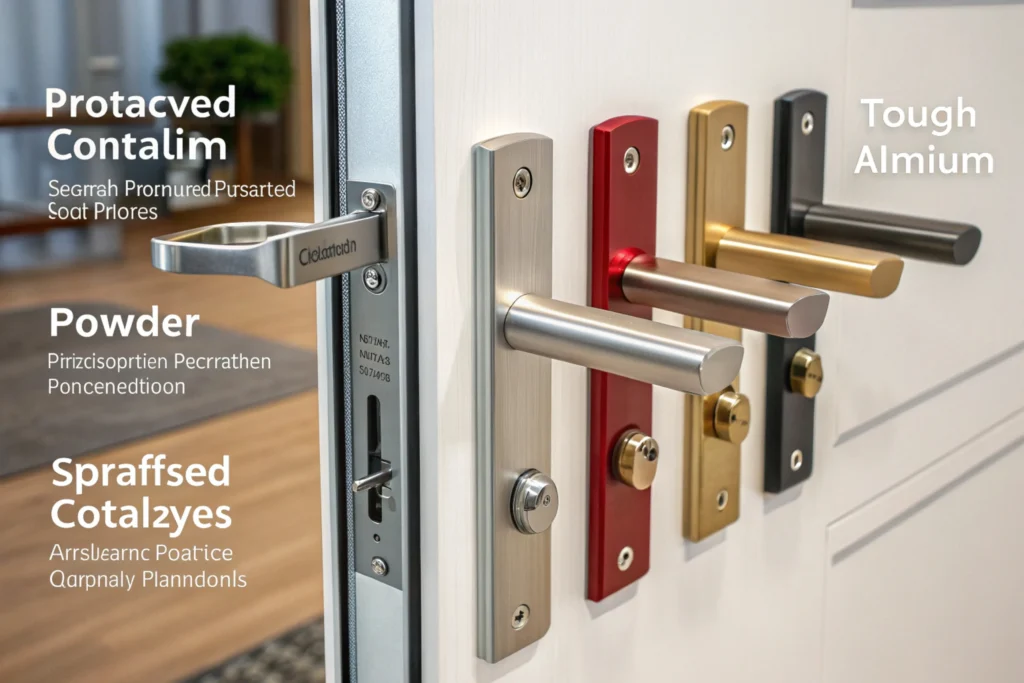
Our tests show dramatic differences:
Anodized handles: • 15-25μm thickness lasts 5-8 years outdoors • Naturally bonds to aluminum (won't peel) • Limited to metallic colors
Powder coated: • Thick polymer layer (60-120μm) • Wider color choices • Lasts 4-6 years before fading • Can chip if impacted
Standard spray paint: • Thin coating (15-30μm) • Shows wear in 1-3 years • Lowest upfront cost • Needs frequent touch-ups
| Treatment | Cost | Lifespan | Best For |
|---|---|---|---|
| Hard Anodizing | High | 7-10 yrs | Coastal/humid |
| Regular Anodizing | Medium | 5-7 yrs | Indoor/covered |
| Powder Coating | Medium | 4-6 yrs | Color variety |
| Wet Spraying | Low | 1-3 yrs | Temporary use |
Match the treatment to the environment and expected product lifespan.
Will the oxidation and discoloration speed of aluminum alloy handles accelerate significantly in humid or high-temperature environments?
Humidity and heat turn normal oxidation into rapid damage. Handles that last years indoors can fail in months near oceans or pools.
Yes—humidity above 70% RH and temperatures over 35°C can triple oxidation rates. Salt air near coasts accelerates corrosion even faster.
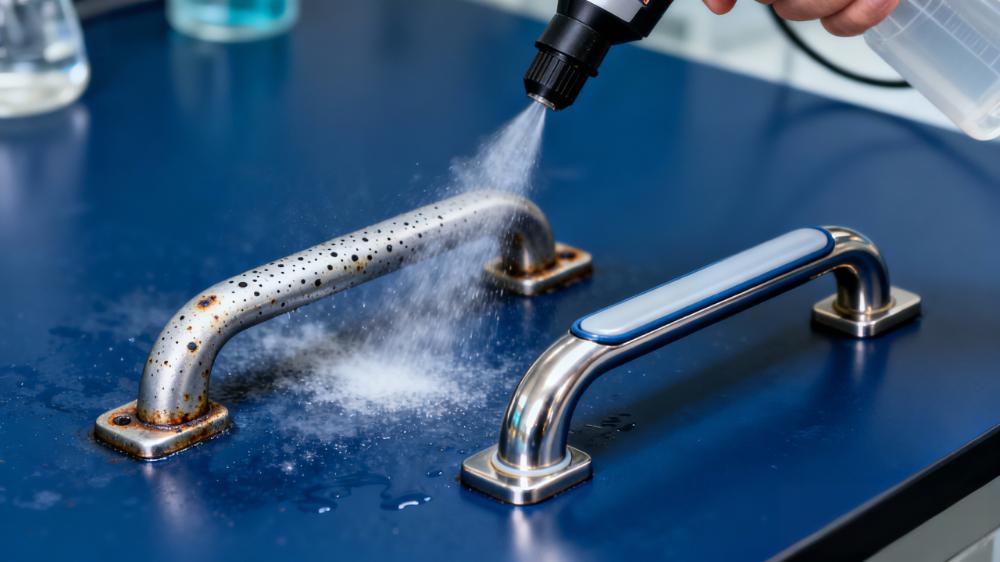
Our Philippines client proved this: • Same handles installed simultaneously • Air-conditioned interior: no change after 18 months • Uncovered balcony: visible spotting in 5 months • Poolside location: heavy oxidation in just 3 months
Now I always ask:
- Will handles be indoors or outdoors?
- Nearby large water bodies/ocean?
- Typical summer temperatures?
- Average humidity levels?
For tough conditions, we recommend: • Hard anodized (minimum 20μm) • Dark bronze or black finishes • Extra sealant coatings • More frequent cleaning
| Environment | Oxidation Rate | Suggested Protection |
|---|---|---|
| Dry indoor | 1× (baseline) | Standard anodizing |
| Humid indoor | 1.5-2× | Thicker anodizing |
| Coastal outdoor | 3-5× | Hard anodize + sealant |
| Poolside | 5-8× | Specialty marine coatings |
Plan handle specifications based on their toughest expected conditions.
Conclusion
Quality aluminum alloy handles oxidize much slower—especially with the right treatments for each environment. Smart buyers pay slightly more upfront to avoid frequent replacements.