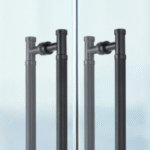
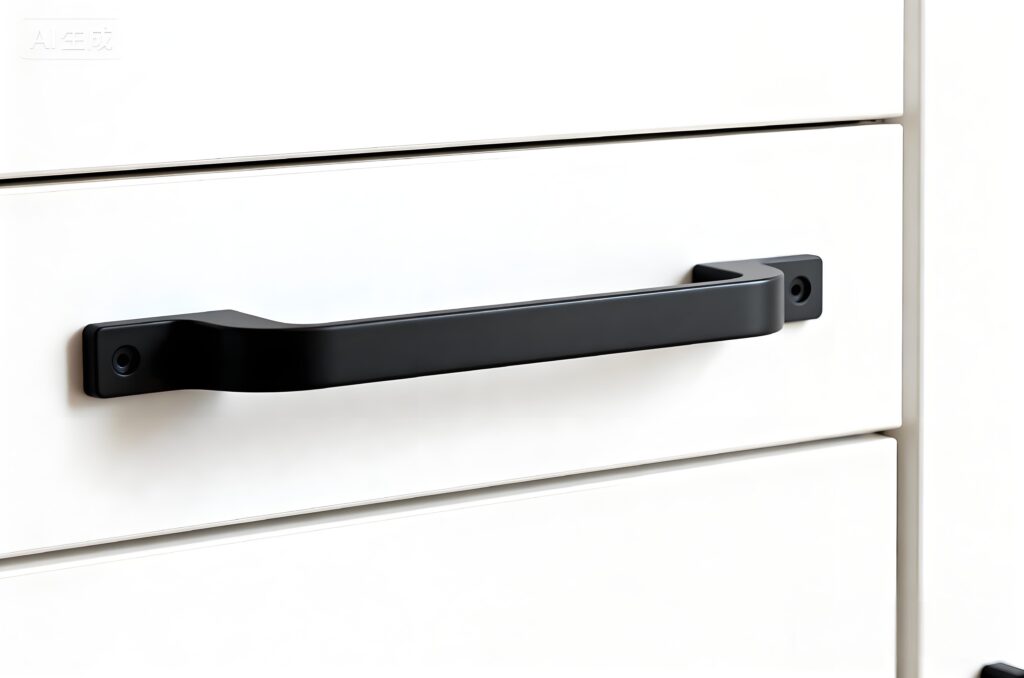
How to judge the quality of a handle?
Handles are more than looks; they decide longevity and comfort. Picking poorly means quick wear or discomfort. Quality is key for peace of mind and daily satisfaction.
To judge a handle’s quality, evaluate the material for density, durability, and corrosion resistance. Comfort, firmness, texture, and shape must suit its use, ensuring reliability.
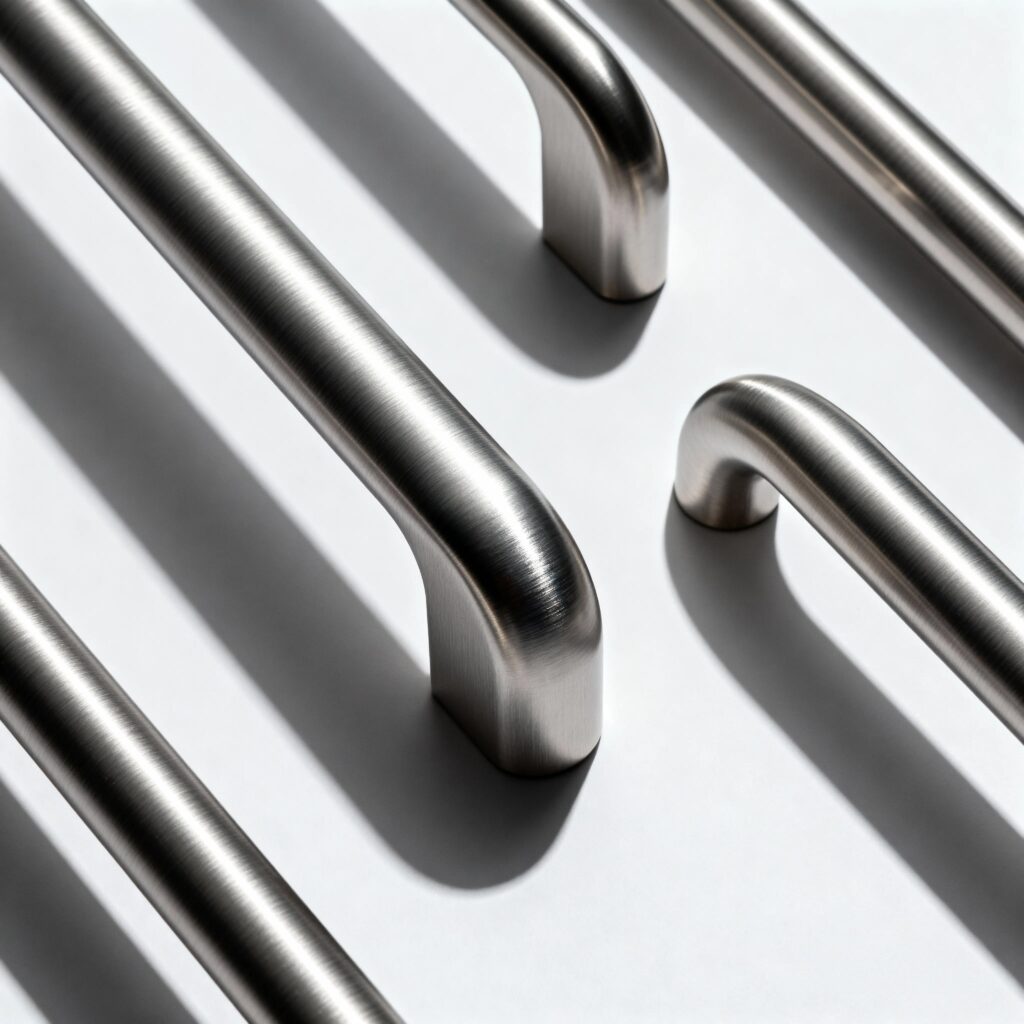
I start with material. High-quality stainless steel or solid alloys are dense and tough. If it tingles with cheapness, no tricks or textures make it better over time. Quality handles prove themselves by feel and lasting shine.
What are the rules for door handles?
Understanding door handle basics prevents surprises. Reliable handles follow these few rules for safety, wear, and fit.
A good door handle should align with material quality, comfort, and durability. It should be tailored to fit the door size and intended use, with no rough edges or loose parts.
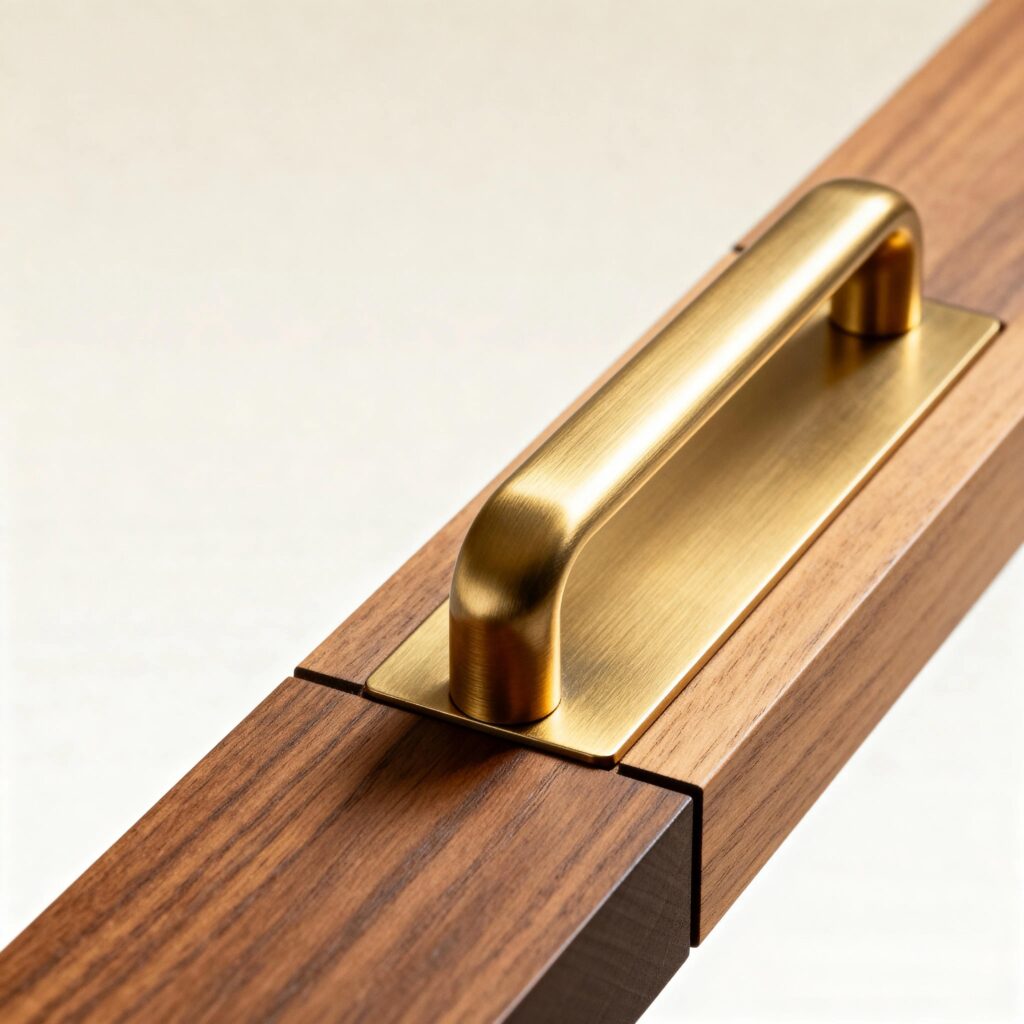
Door handles must match the door’s material. For heavy doors, I recommend robust metals like stainless steel or brass to handle stress and wear. Handles also need to feel smooth and secure in hand, enhancing daily use. A loosely connected handle is a sign of future issues. Properly installed, reliable handles last across thousands of opens and offer comfort every time.
| Rule | Why It’s Important |
|---|---|
| Material durability | Prevents rust, supports weight |
| Ergonomic design | Enhances grip, reduces injury risk |
| Secure fitting | Stops wear, ensures safety |
| Smooth surfaces | Avoids discomfort, fabric snags |
Stick to these rules for lasting, dependable handles.
What is a good diameter for a handle?
Handle diameter affects grip and comfort. Too small or large strains the hand, too bulky or slim loses control.
A good handle diameter usually ranges from 30mm to 45mm, catering to average adult hand sizes. This supports grip without strain, suiting most door or drawer needs.
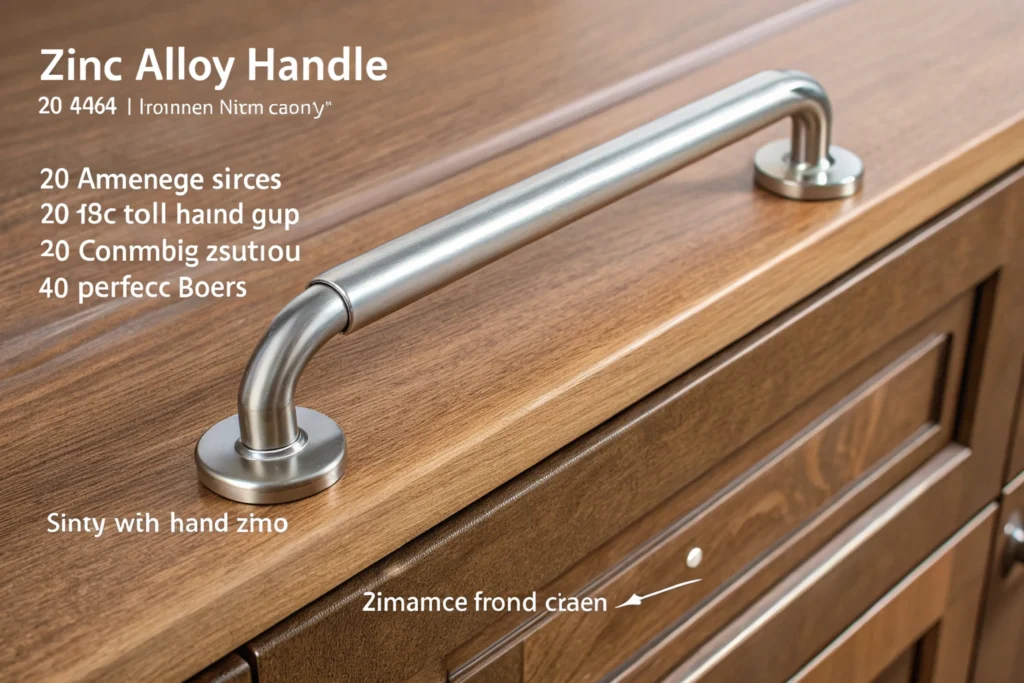
In my experience, pressing my thumb and middle finger together is a quick test—the gap fits snugly around good handle sizes. Handles too narrow feel uncomfortable over time, while overly wide ones tire the hand. Choose a diameter that feels firm but natural, enhancing rather than obstructing motion.
| Diameter (mm) | Best For |
|---|---|
| 20–30mm | Light, small drawers |
| 30–45mm | General purpose, medium |
| 45–60mm | Heavy-duty, industrial use |
Pick a diameter for its feel—a soft fit for a strong hold.
What makes a good door handle?
Not all handles are made equal. A quality one blends strength, grip, and fit for a handle that suits your daily life.
A good door handle is solid, ergonomic, and suits most environments. It feels firm, resists corrosion, and remains comfortable over long use. Practical and sturdy, it transitions seamlessly between function and aesthetics.
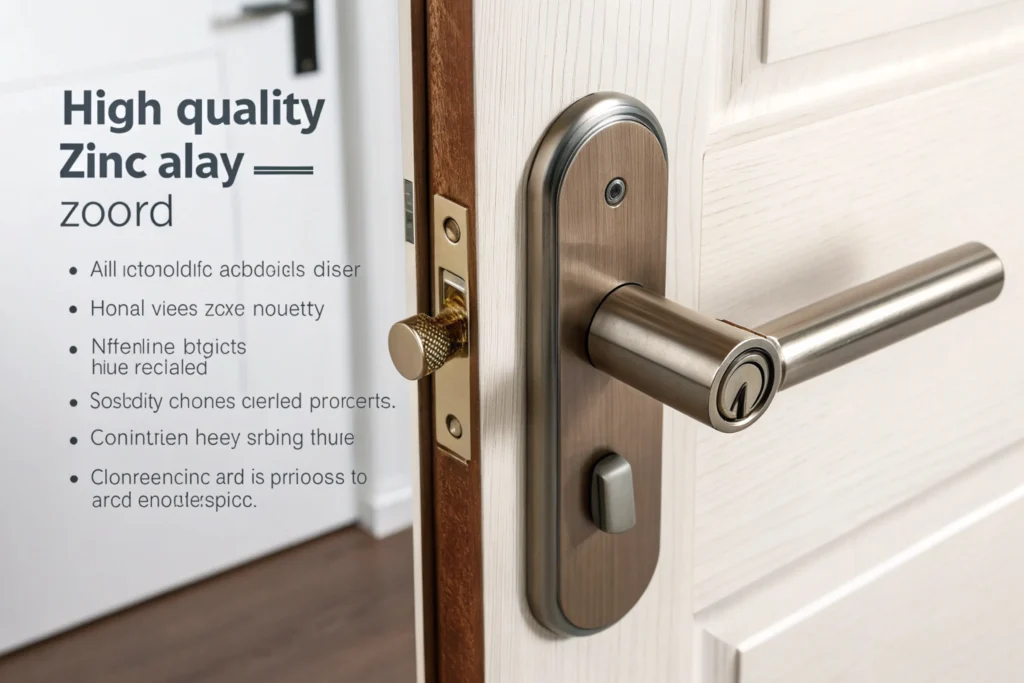
My method is straightforward. Feel the handle—weight gives away material quality. A heavy handle often boasts denser metals and precision machining—indicators of quality. I check textures, too. Grip patterns like knurling help, especially where grip strength matters. Smooth handles work better in casual settings, preventing fabric catches.
| Quality Aspect | What It Provides |
|---|---|
| Weight | Heavy indicates dense, strong material |
| Texture | Enhances grip, prevents slipping |
| Finish | Smooth surface avoids skin/fabric damage |
| Build | Firm assembly, solid fit |
A good handle mixes these into a blend that performs well and looks right together.
How to think of a good handle?
Envision the perfect handle—fit, feel, and finish align to make it a part of daily life, not an intrusion.
To think of a good handle, consider its material, ergonomics, and fit for your specific needs. A mix of strong texture and smooth feel brings the best results, letting the handle merge effortlessly into its space and use.

I focus on practicality first. The handle’s everyday job tells me what to prioritize—use matters as much as design. A front entry door might prioritize security and sturdy grip, while a cabinet lever might lean into style. Get a handle that starts strong, feels good, and requires no extra thought after installation.
| Handle Aspect | Key Consideration |
|---|---|
| Material | Strong, resistance to wear and tear |
| Ergonomics | Fits hand size, eases repeated use |
| Fit | Matches placement dimensions exactly |
| Appearance | Complements decor, personal style |
Thinking ahead ensures choosing handles that blend in with need and style.
Conclusion
Quality handles mean choosing durable materials, correct sizing, practical ergonomics, and overall fit to enhance both appearance and functionality.